
The Cat Creature (1973): An ABC Movie of the Week About a Deadly Feline Spirit
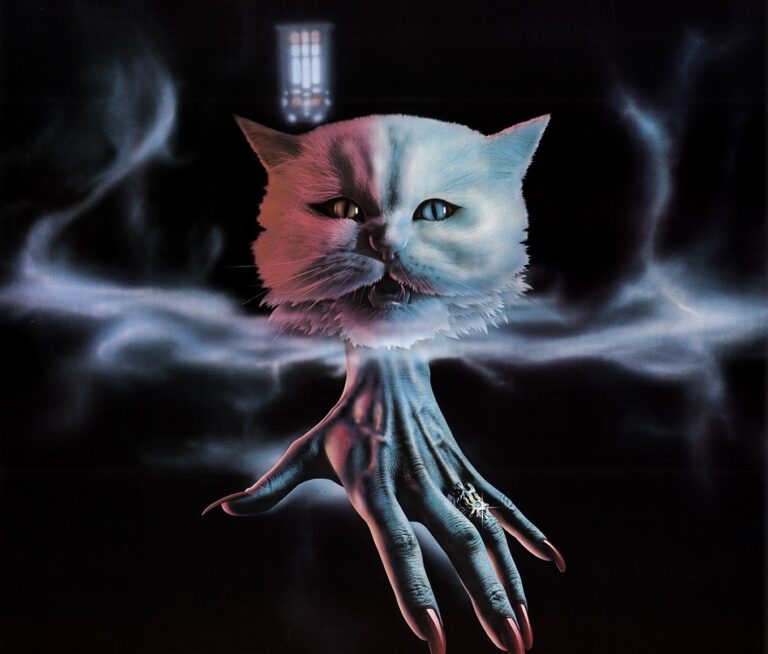
An ancient amulet awakens a deadly feline spirit in The Cat Creature (1973), an ABC Movie of the Week from Psycho writer Robert Bloch and Night Tide director Curtis Harrington.
The Cat Creature
Director: Curtis Harrington
Country: USA
Plot
In a clever bit of casting, Kent Smith—star of the Val Lewton-produced classicsCat People (1942) and The Curse of the Cat People (1944), which this deliberately pays tribute to—shows up at a gloomy mansion late one night to do an appraisal of the late Hiram Drake’s collection of Egyptian artifacts.
He goes down to the cellar and cracks open a tomb. He finds a mummy with a large, solid gold medallion with a cat’s face and emeralds for eyes.
Unbeknownst to the appraiser, a thief, Joe Sung (Keye Luke), hides in the mansion. He steals the medallion, unwittingly awakening an ancient evil in the process.
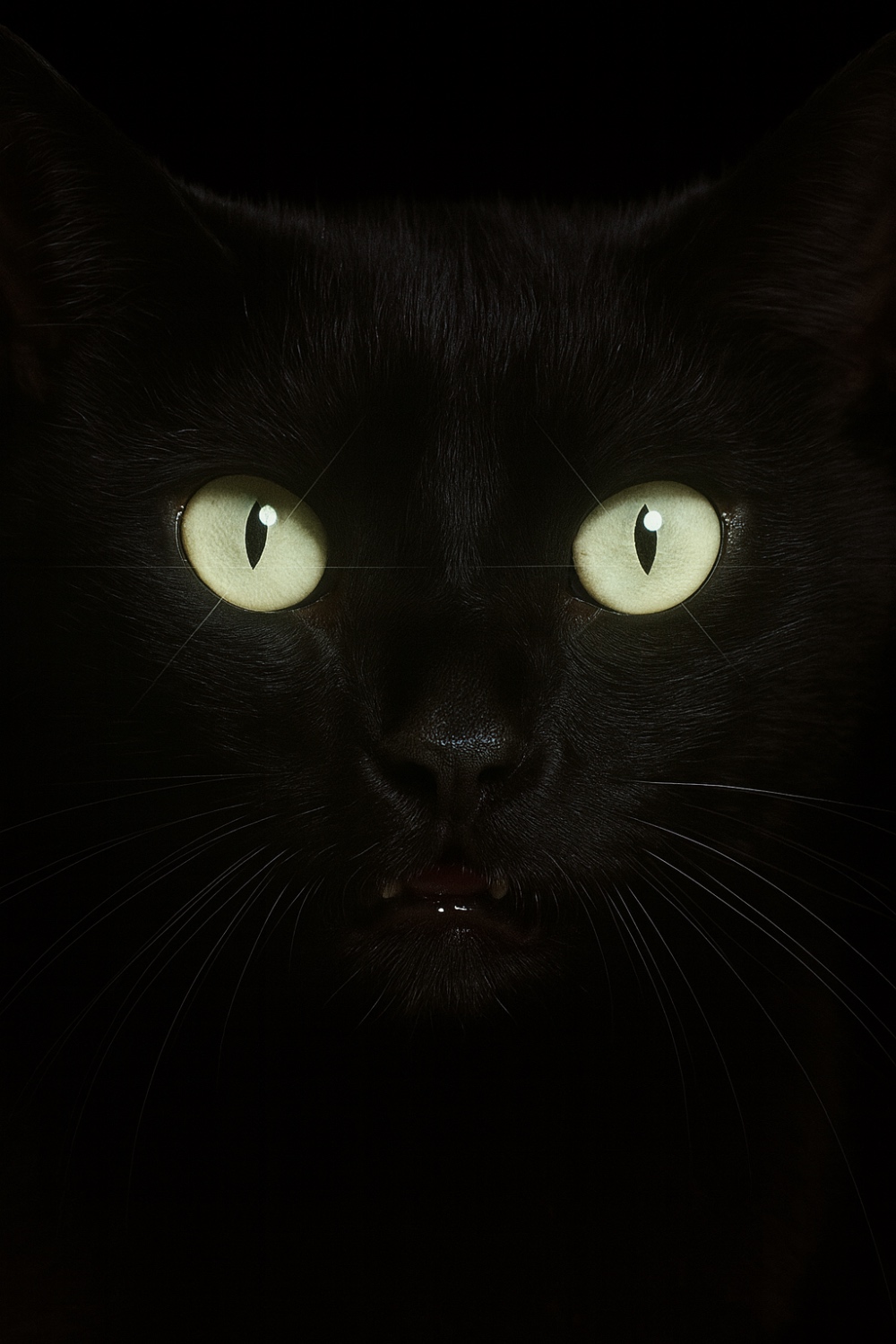
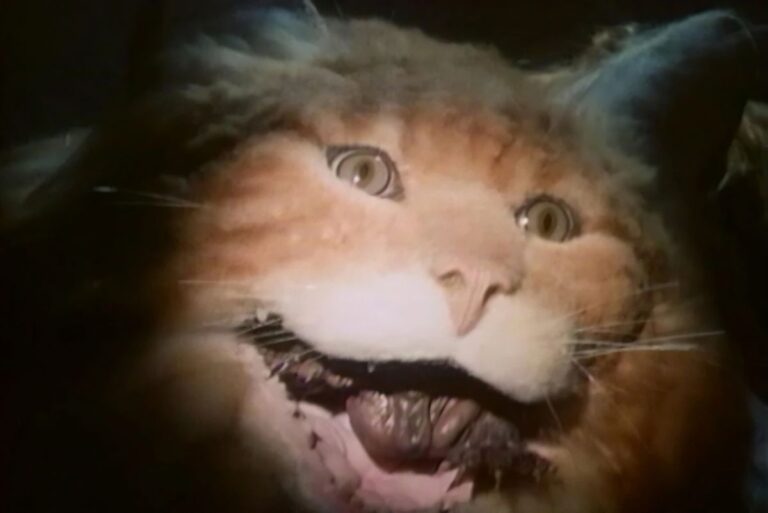
The appraiser is promptly attacked and killed by what appears to be a domesticated cat.
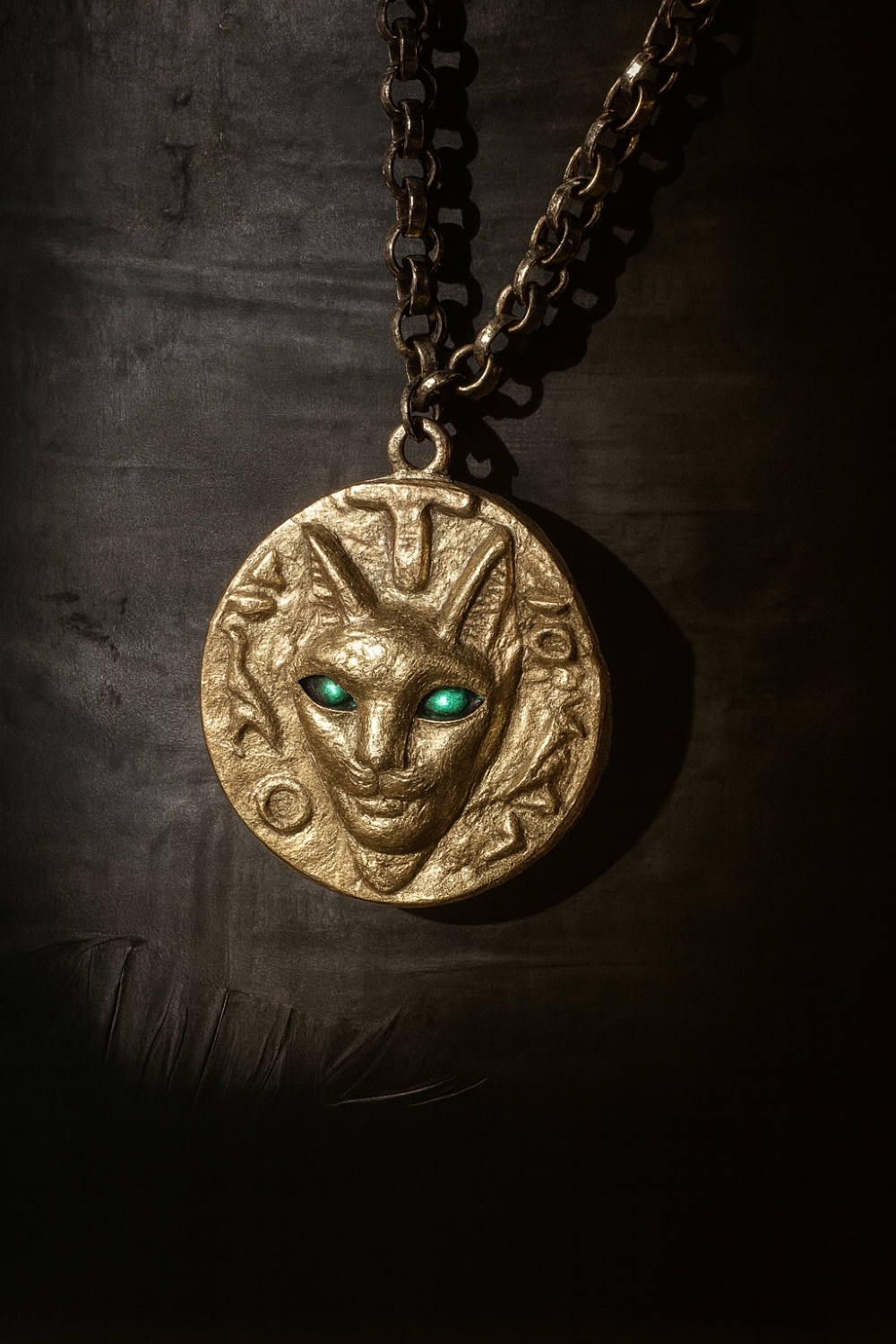
Joe immediately goes to “The Sorcerer’s Shop,” an occult-themed antique store, to try to sell his new acquisition.
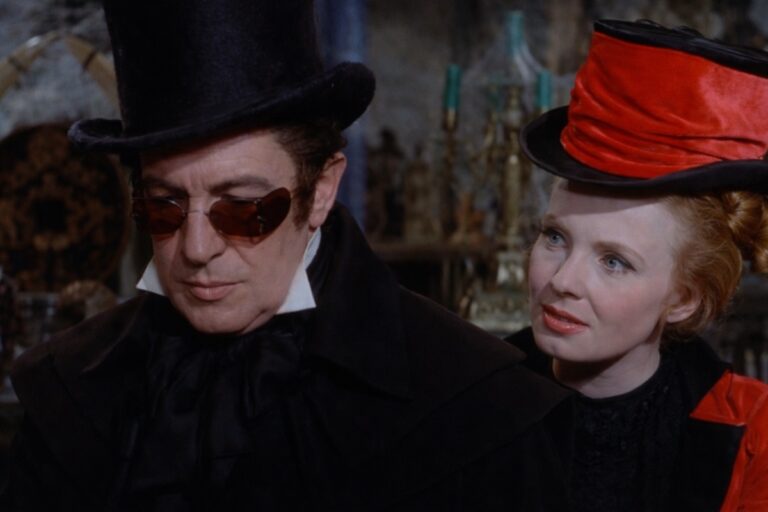
The shop’s owner, Hester Black (Gale Sondergaard), suspects it has been stolen and refuses to buy it.
After Joe leaves, Hester’s sales clerk, Sherry Hastings (Renee Jarrett), heads out the door and begins to walk home when she runs across a black cat. She takes it home with her, where it hypnotizes her and makes her jump off her balcony.
Lieutenant Marco (Stuart Whitman) is assigned to investigate the appraiser’s death and reaches out to a local university for assistance.
However, instead of an Egyptologist, he is paired with archaeology professor Roger Edmonds (David Hedison).
The mummy and the amulet are missing at the crime scene, but claw marks appear on some artifacts.
The autopsy reveals that the victim died from throat wounds inflicted by teeth and claws from an animal the size of a domestic cat.
The body also has cat hair on it. Roger observes that the symbols on the coffin belong to a sect of ancient Egyptians who worshipped Bastet, the great cat goddess.
Rumor has it their priests could even turn into cats themselves.

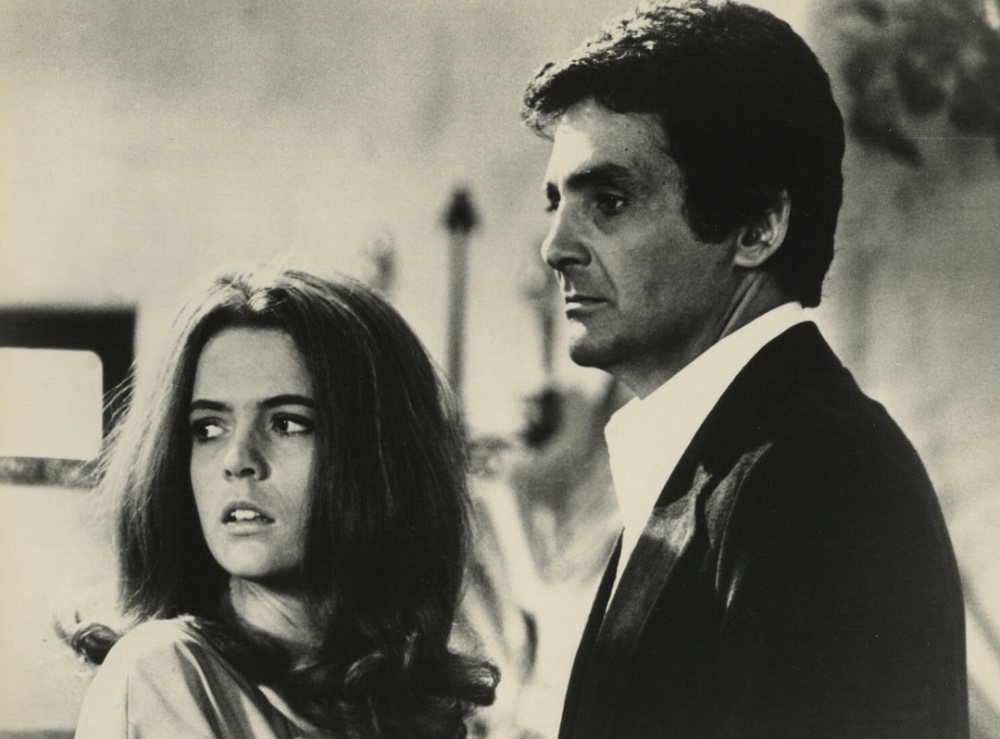
Meanwhile, at Hester’s shop, shy loner Rena Carter (Meredith Baxter) seeks employment and is hired as Hester’s new salesgirl.
Roger becomes involved with Rena as more people connected to the stolen items mysteriously turn up dead, all drained from their blood.
When Hester reads Roger’s future, the tarot cards suggest a threat of death and danger related to the ancient Egyptian curse and the vengeful cat spirit.
The story unfolds straightforwardly, but there is an unexpected twist that most viewers will not expect despite several red herrings.
Only the last few minutes are disappointingly silly, but the many fun moments throughout make it easy to overlook.
Screenwriter Robert Bloch
This rarely-seen TV film aired on ABC on December 11, 1973. It has never been released on VHS or DVD in America but boasts several strengths that make it one of the most entertaining entries in this volume.
This “nice pulpy story about a girl who is the reincarnation of an Ancient Egyptian Cat Goddess,” as director Curtis Harrington described it, was crafted by Robert Bloch and based on an old story he published in Weird Tales.
Bloch was one of the horror writers Harrington discovered in the pages of Weird Tales during his teen years in Beaumont.
Later, Bloch became famous for writing the novel Psycho, which was adapted into Alfred Hitchcock’s iconic film.
He also wrote several other well-known screenplays, including The Deadly Bees (1966), Torture Garden (1967), The House That Dripped Blood (1971), and episodes of Star Trek and Alfred Hitchcock Presents.
Bloch cleverly draws parallels between mummies and vampires: both require blood for sustenance and immortality, both can transform (vampires into bats and mummies into cats), and the amulet around the mummy’s neck is akin to a stake through a vampire’s heart—removing it leads to their resurrection.
However, depicting a small domesticated cat attacking and killing people could easily induce chuckles from the audience.
That is why the director wisely chose to show most of those scenes in shadow.
Director Curtis Harrington
When Harrington agreed to tackle the direction of The Cat Creature, he was already well-versed in the horror genre.
Always with a sturdy, unpretentious style, he had helmed cult horror classics such as Night Tide (1961) starring Dennis Hopper, Games (1967) featuring Simone Signoret, and What’s the Matter with Helen? (1971) and Whoever Slew Auntie Roo? (1972), both with Shelley Winters.
Considering his previous work, Harrington was the perfect match for this material, tackling the subject with a fast pace and a brooding, occult atmosphere.
However, The Cat Creature was his first TV movie, a work-for-hire suggested by his agent Bob Brookman, and Harrington felt that it was a step back in his career.
TC Censorship Challenges
As a TV movie, The Cat Creature faced significant limitations.
“I became aware of the incredible lengths the executives and producers will go to to preserve the blandness and uniformity of their product. Advertisers did not want a disturbed audience. Of course, this was aided and abetted by the political right-wing in this country who need uneducated and unthinking masses to stay in office,” Harrington writes in his autobiography, Nice Guys Don’t Work in Hollywood.
He wanted the proprietress of the occult shop to be portrayed as a lesbian to add some spice to the show, but Standards and Practices, the network office responsible for removing any “offensive” elements, issued a memo insisting there must be “no suggestion whatsoever that this character is a lesbian.”
Casting Meredith Baxter
Harrington further explains, “In casting the actress to play the modern incarnation of this beautiful goddess, I got my first nasty taste of TV executive thinking. Unlike movie executives whose primary interest was ‘box office appeal,’ they were concerned with something they called ‘TVQ.’ This meant the ratings the star’s other television appearances had received. The connection between a star’s suitability for a role meant absolutely nothing. In the case of The Cat Creature, I was slapped in the face with an especially egregious example of it. For the role of a beautiful, dark, exotic, sexually alluring girl, they suggested Patty Duke.”
Harrington felt Duke was not attractive enough for the part, so he begged for someone else. The executives then suggested Meredith Baxter, who would later become famous for her role as mother Elyse Keaton on the popular 1980s sitcom Family Ties.
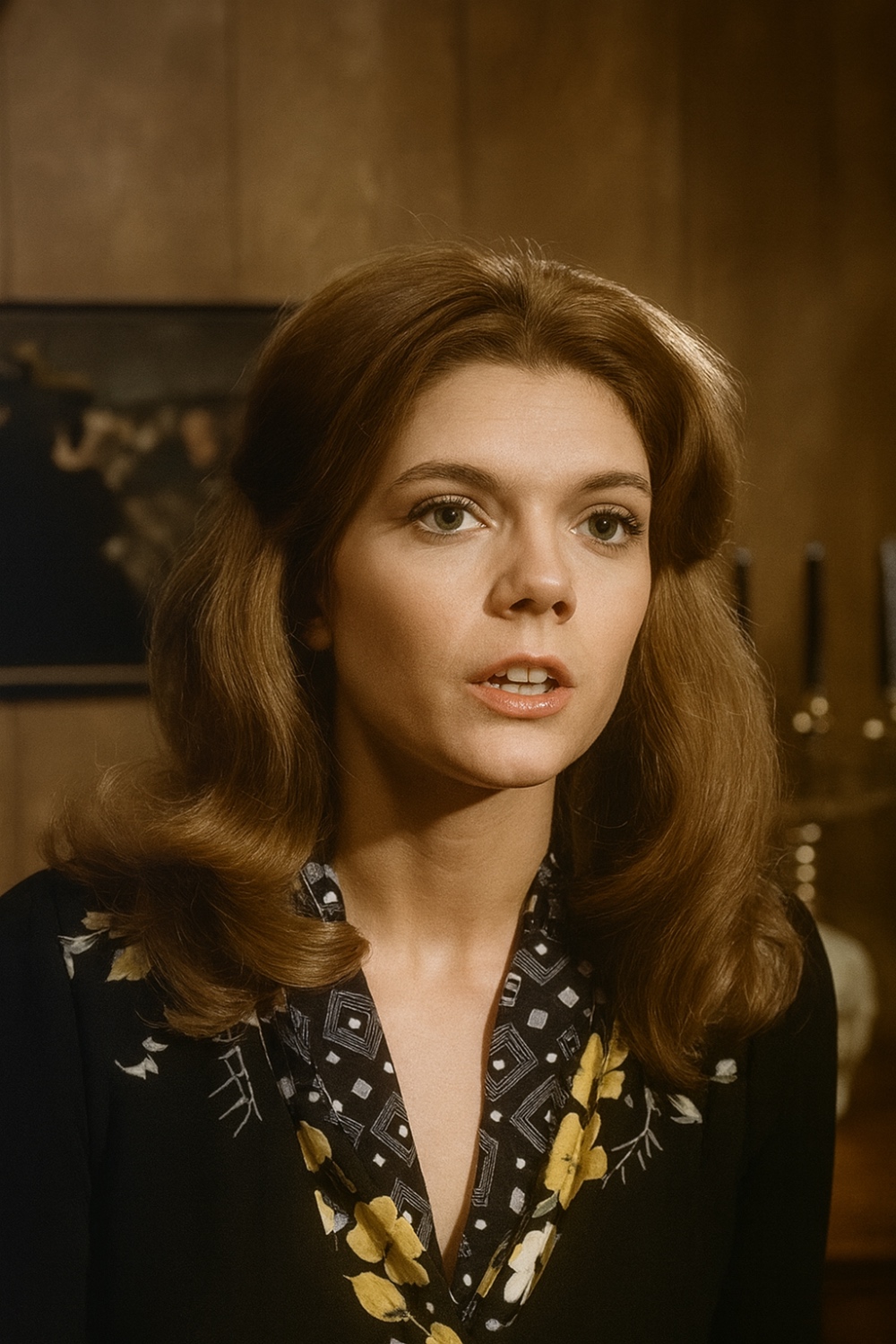
Baxter often portrayed ordinary, middle-class American girls, but she was, as Harrington put it, “at least reasonably pretty.” She was blonde and blue-eyed, so they gave her a dark red wig and green contact lenses to darken her eyes. Harrington said this made Baxter only “reasonably appropriate for the role.” However, her sweet and innocent demeanor was what the film needed, making the final reveal all the more surprising.
The Supporting Cast
The rest of the cast is solid and features some well-known names.
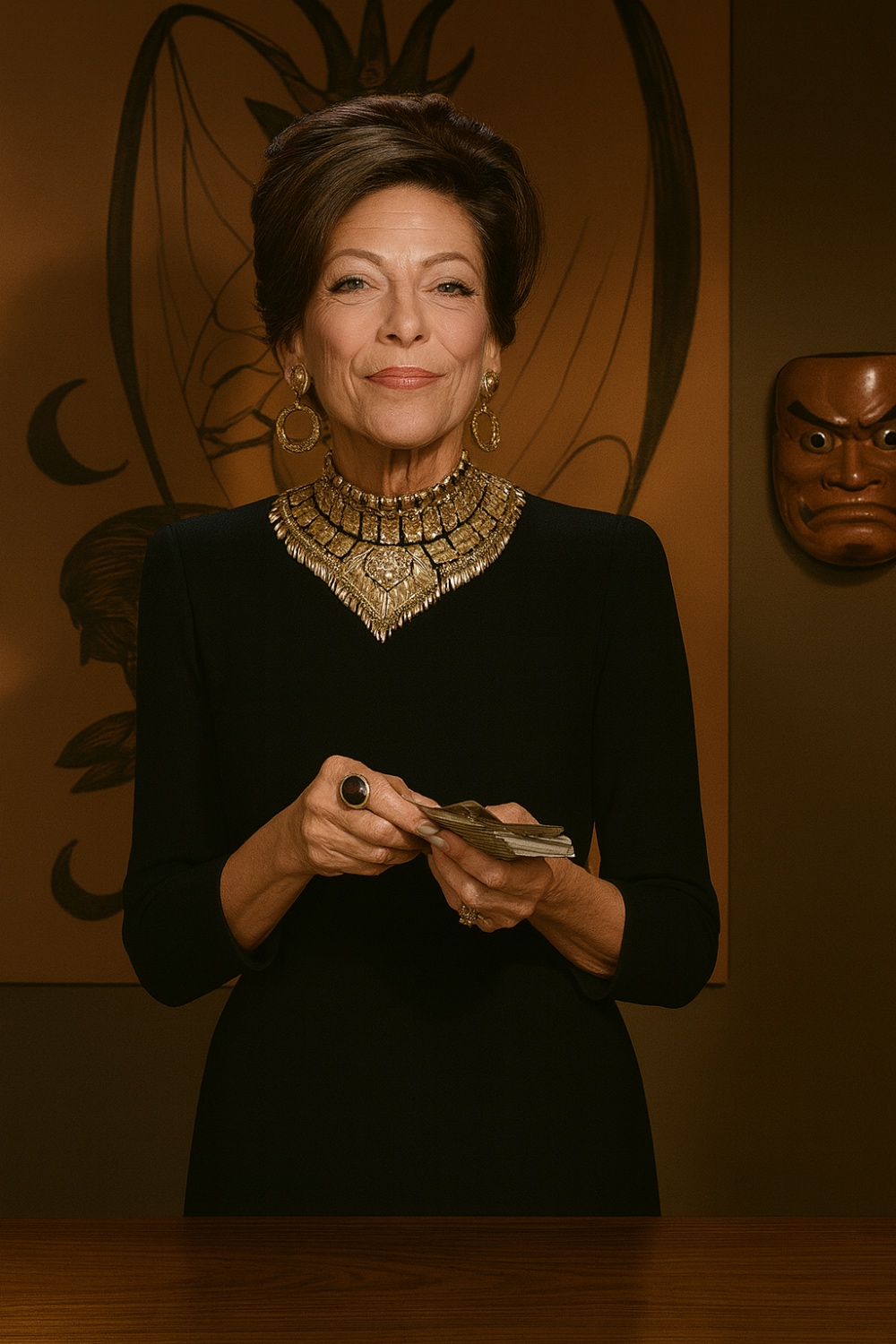
Veteran actress Gale Sondergaard returned to the screen after a long hiatus after having been blacklisted during the McCarthy era because of her leftist political leanings.
She became the first recipient of the Oscar for Best Supporting Actress for her role in Anthony Adverse (1936) while also being memorable as Miss Lu in The Cat and the Canary (1939), the title role of The Spider Woman (1944), and Abigail Doone in The Black Cat (1941).
Bloch originally wrote the part of shop owner Hester Black for a man, but that changed when she agreed to star in the film.
Also bringing his talent to the cast is David Hedison, best known for his roles as Captain Lee Crane in the TV series Voyage to the Bottom of the Sea (1964-1968) and scientist André Delambre in the classic horror film The Fly (1958).
In more minor roles, the film features notable appearances by Milton Parsons as a gaunt coroner, John Carradine as a hotel clerk, John Abbott as a librarian, and Virgil Frye as a security guard.
Also turning up as a pawnbroker who gets stabbed is a guy who called himself “Peter Lorre Jr.” Born in Germany as Eugene Weingand, Lorre Jr. emigrated to America at age 20 and was unrelated to famous actor Peter Lorre. He went to court to change his name, but the judge denied his request. After Lorre died, Weingand began using the name professionally anyway and even went around claiming to be the late Lorre’s son.
A TV Movie Worth Discovering
Much of The Cat Creature is pure entertainment and follows many tropes of the occult subgenre. All the elements blend well to deliver a movie that is as grim as it is amusing.
After The Cat Creature, Harrington would go on to direct even more horror cult hits, including Killer Bees (1974), Ruby (1977), and Devil Dog: The Hound of Hell (1978).
However, despite the constraints of a TV movie, Harrington said that The Cat Creature is a film he is particularly proud of and that he regrets it has never had a proper release.
With its quick pacing, fun story, well-known cast, and more than a few cat appearances, this ABC Movie of the Week is well worth getting your paws on—if only there were a decent release.
If you loved The Cat Creature (1973), check out all our other cat horror movies for even more feline frights.

Watch the Full Movie on YouTube
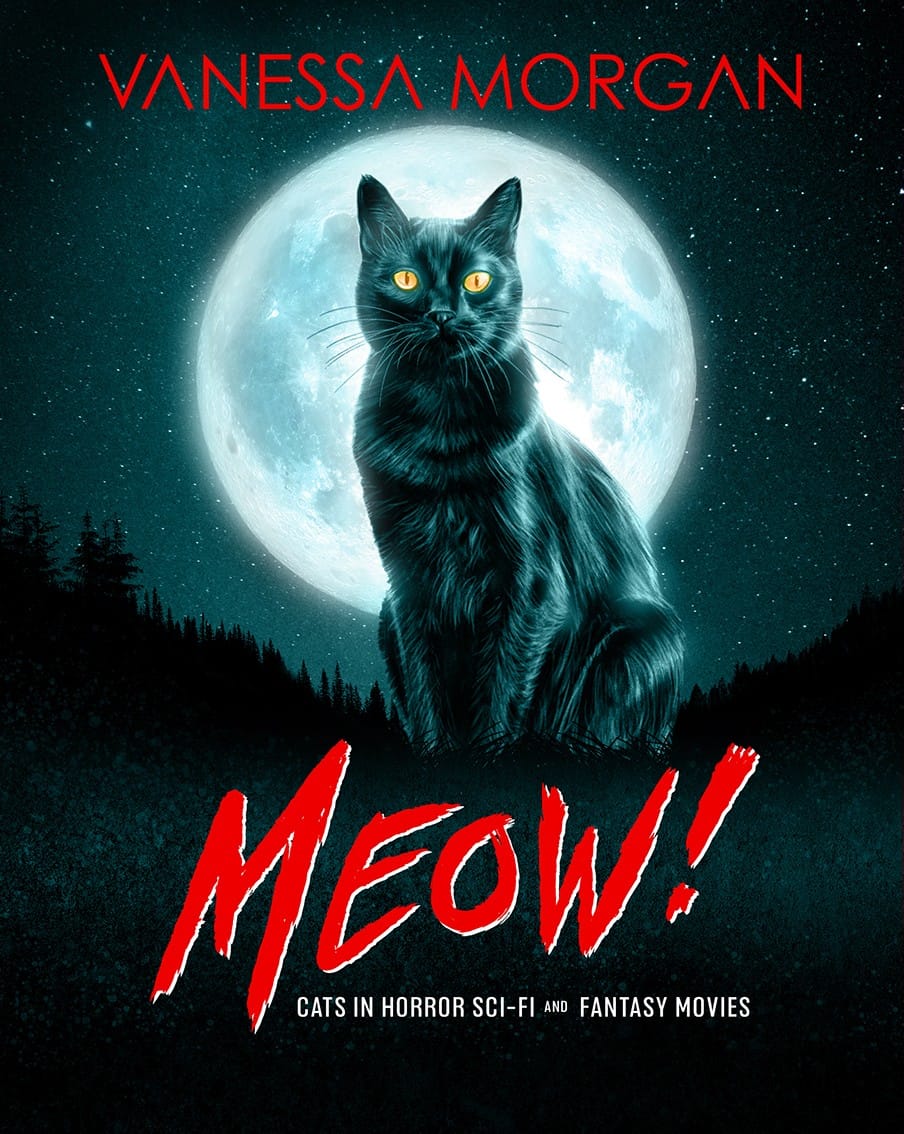
Read more about The Cat Creature (1973) and others like it in Meow! Cats in Horror, Sci-Fi, and Fantasy Movies.
About the Authors
Vanessa Morgan is the editor of When Animals Attack: The 70 Best Horror Movies with Killer Animals, Strange Blood: 71 Essays on Offbeat and Underrated Vampires Movies, Evil Seeds: The Ultimate Movie Guide to Villainous Children, and Meow! Cats in Horror, Sci-Fi, and Fantasy Movies. She also published one cat book (Avalon) and four supernatural thrillers (Drowned Sorrow, The Strangers Outside, A Good Man, and Clowders). Three of her stories became movies. She introduces movie screenings at several European cinemas and film festivals and is also a programmer for the Offscreen in Brussels. When she is not writing, you will probably find her eating out or taking photos of felines for her website, Traveling Cats.
Justin McKinney was coerced over to the dark side by a late-night viewing of Night of the Living Dead (1968) as a child. He has worked on and appeared in several low-budget horror films (Descend into Darkness 1 and 2, Brain Drain, Loonies, Dance of the Dead, Fatal Delusions, Witch Graveyard, Chubby Killer, Slice N Dice, Phantom Limb, Day of 1000 Screams, and others) and has contributed reviews to numerous websites, magazines, and books, including Horror 101: The A-List of Horror Films and Monster Movies, Hidden Horror: A Celebration of 101 Underrated and Overlooked Fright Flicks, When Animal Attack: The 71 Best Horror Movies with Killer Animals, Evil Seeds: The Ultimate Movie Guide to Villainous Children, Seminal Cinema, Horrorpedia, and his blog, The Bloody Pit of Horror. His original screenplay, One Last Photo, is part of the horror anthology Screams of a Summer Day.


Added to my YouTube watch list! This sounds really good.