
Kiki’s Delivery Service (2014): Takashi Shimizu’s Live-Action Spin on a Ghibli Favorite
A live-action retelling of Kiki’s Delivery Service, the 2014 movie explores a young witch’s journey of independence, friendship, and finding her true magic.
Kiki’s Delivery Service
Original title: Majo No Takkyûbin
Director: Takashi Shimizu
Country: Japan
Throughout the history of literature and cinema, witches have been a staple character for young girls. Even slumber party rituals across generations have included faux-witchcraft rituals like utilizing talking boards to uncover secrets of the universe (like whether or not your crush likes you back) or trying to levitate your friends in a game of Light as a Feather, Stiff as a Board.
Witches provide a form of typically feminine power that allows those marginalized by their gender to maintain autonomy in a patriarchal world and provides the space to play make-believe, where girls have actual, tangible control.
It is no wonder that so many coming-of-age stories center around witches, typically using magic as a metaphor for discovering one’s true strength.

From Page to Screen: The Origins of Kiki’s Delivery Service
Kiki’s Delivery Service aka Majo no Takkyūbin from Eiko Kadono and Akiko Hayashi was first published in 1985, and almost immediately scooped up by Studio Ghibli for an animated adaptation directed by Hayao Miyazaki released in 1989.
The anime has become synonymous with the title, with plenty of fans, especially outside of Japan, not realizing that Kiki’s Delivery Service was not an original Miyazaki screenplay.
The anime has become the definitive adaptation of the story, but it is not the only time Kadono and Hayashi’s children’s fantasy novel has been given the cinematic treatment.
The 2014 Live-Action Adaptation: Akashi Shimizu’s Approach to Kiki’s Delivery Service
In 2014, Takashi Shimizu directed a live-action adaption of the novel, with at-the-time 17-year-old Fûka Koshiba in the titular role.
The choice to make a new adaptation of Kiki in a post-Ghibli world already meant the film had some massive shoes to fill. But putting J-horror maestro Shimizu—known forJu-On: The Grudge (2002)—in the director’s chair had plenty of skeptics before the cameras rolled.
Kadono added five more volumes of Kiki’s story between 1993 and 2009 following the success of Miyazaki’s film.
The new installments continued the coming-of-age narrative as Kiki navigated her continued teenage years.

Shimizu and screenwriter Satoko Okudera incorporated elements of these latter books into the script for their take on Kiki’s Delivery Service, with particular emphasis put on the second volume, Kiki and Her New Magic.
Unfortunately, as Kadono’s books were meant for young readers, there is a run-of-the-mill approach to storytelling to ensure the material was accessible to as many readers as possible.
Miyazaki’s script transcends the source material, while Shimizu and Okudera’s script embraces its simplicity.
For viewers accustomed to the surprising maturity of Miyazaki’s film, the live-action adaptation may feel like it lost its magic.
But for those willing to accept that this version is more closely in line with the book series, it is no better or worse than some random Disney Channel Original Movie from the aughts.
Plot Summary
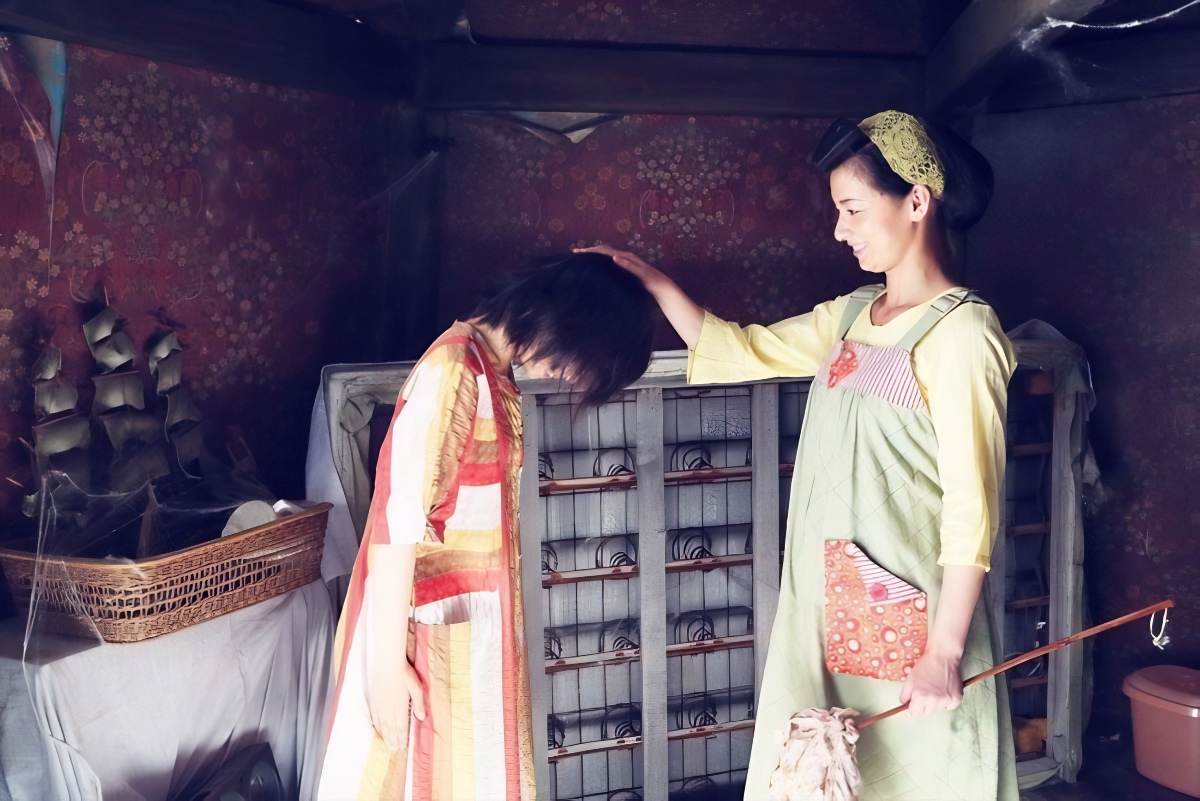
Kiki’s Delivery Service starts on a several-minute-long flashback sequence beginning at Kiki’s birth. It serves as an introduction to the character and as the groundwork for her coming-of-age story.
We get to know her parents and see what Kiki was like as a child, which makes the transition to Fûka Koshiba’s version of Kiki a bit jarring.
Kiki is supposed to be 13 years old but the actor is noticeably older. Typically, this results from child labor laws limiting the hours a minor can work on a feature film during the day.
Given the film’s perceptible low budget, casting an older teen may have been a budgetary decision above all else.
Regardless, Kiki turns 13 and, as is customary for young witches, must enter a mandatory year of independent life away from her parents.
Her only magic is her ability to fly, so she travels to a quaint seaside town where she intends to start a delivery service.
The area has not had a witch for many years, and Kiki initially struggles to make friends, secure housing, and make this year away the best it can be.
She holds true to her mother’s advice to “keep smiling” but must also overcome her insecurities and self-doubt in the face of this adjustment.
Fûka Koshiba as Kiki: A Relatable Teenage Witch
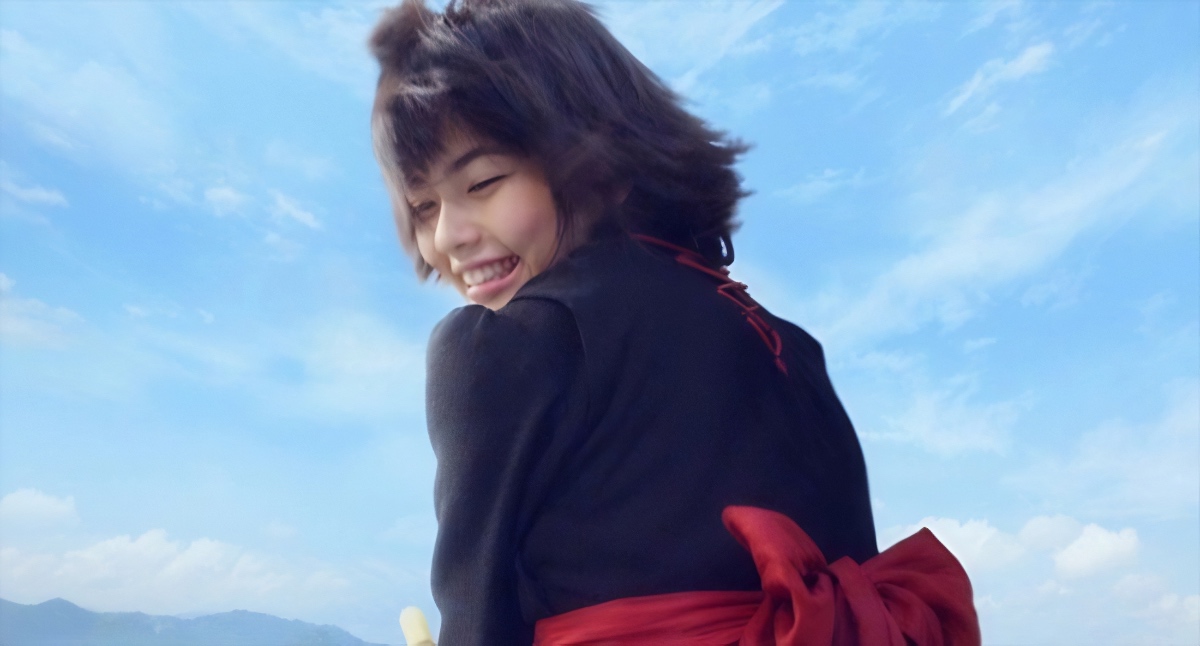
Despite the issues with age casting, Koshiba perfectly captures the fiery and sometimes silly energy of Kiki. She is magnetic and is unafraid to let the inner turmoil show. She might be too big with her expressions, but what teenager is not an explosion of overactive emotions? Kiki’s can-do attitude is grating to many of the locals, and some even find her to be untrustworthy. She is a witch, after all.
This turmoil is darker than in the anime but feels closer to the harsh judgments experienced by teenagers in real life. It seems as if Kiki is alone in this new land.
Fortunately, she may bring her black cat, Jiji (Minako Kotobuki), as a companion. This change is significant compared to the Miyazaki film (where Jiji is voiced by Rei Sakuma in Japanese and Phil Hartman in English), which uses Kiki’s ability to hear Jiji speak as a crucial component of her coming-of-age experience.
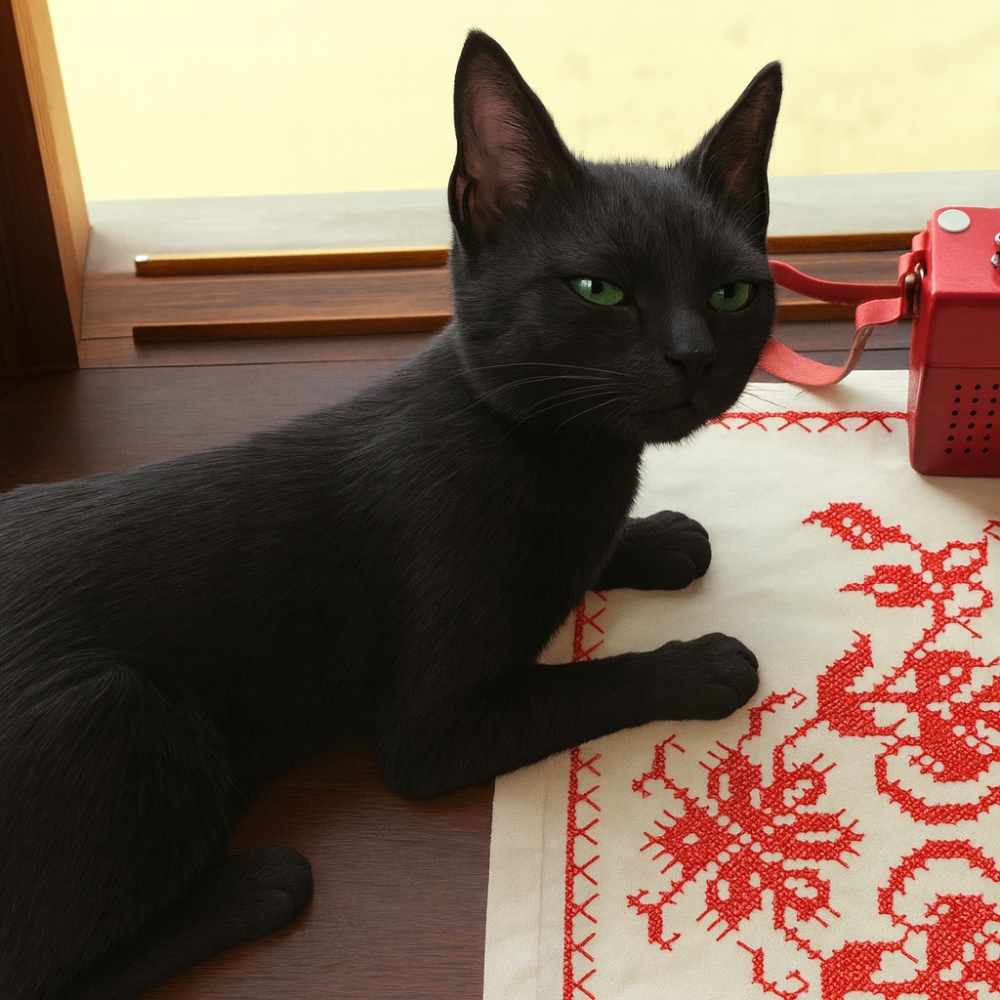
In an attempt to capture that animated, fantastical wonderment, the Jiji of this film is computer-generated. The CGI allows for a more realistic look but does not sacrifice the ability for the cat to have over-the-top, animated emotional responses.
This choice means the film successfully avoids the issues of the “live-action” adaptation of The Lion King (2019) because Jiji can go wide-eyed and express beyond the limitations of an actual cat.
Jiji the Cat: CGI, Character Changes, and Feline Charm
That said, Jiji’s personality is nerfed in this version compared to the prior film.
Perhaps Shimizu and Okudera were trying to avoid the already impossible-to-ignore comparisons to Miyazaki, but Jiji not doubling as Kiki’s voice of reason is a shame.
Fortunately, as the cat resembles a real animal, the moments when Jiji acts out like a cat are adorable.
In keeping with the book illustrations and Miyazaki’s anime, Jiji is almost kitten-like in size, which makes the sometimes shoddy CGI all the more forgivable.
Alas, it feels like she is sidelined more often than she is incorporated, which does a disservice to Kiki’s growth as a character.
Jiji is her one genuine connection with her life before her mandatory year, and a lack of the animal’s hijinks feels like it underserves the narrative.
Cats just make things better.
Budget Constraints and CGI
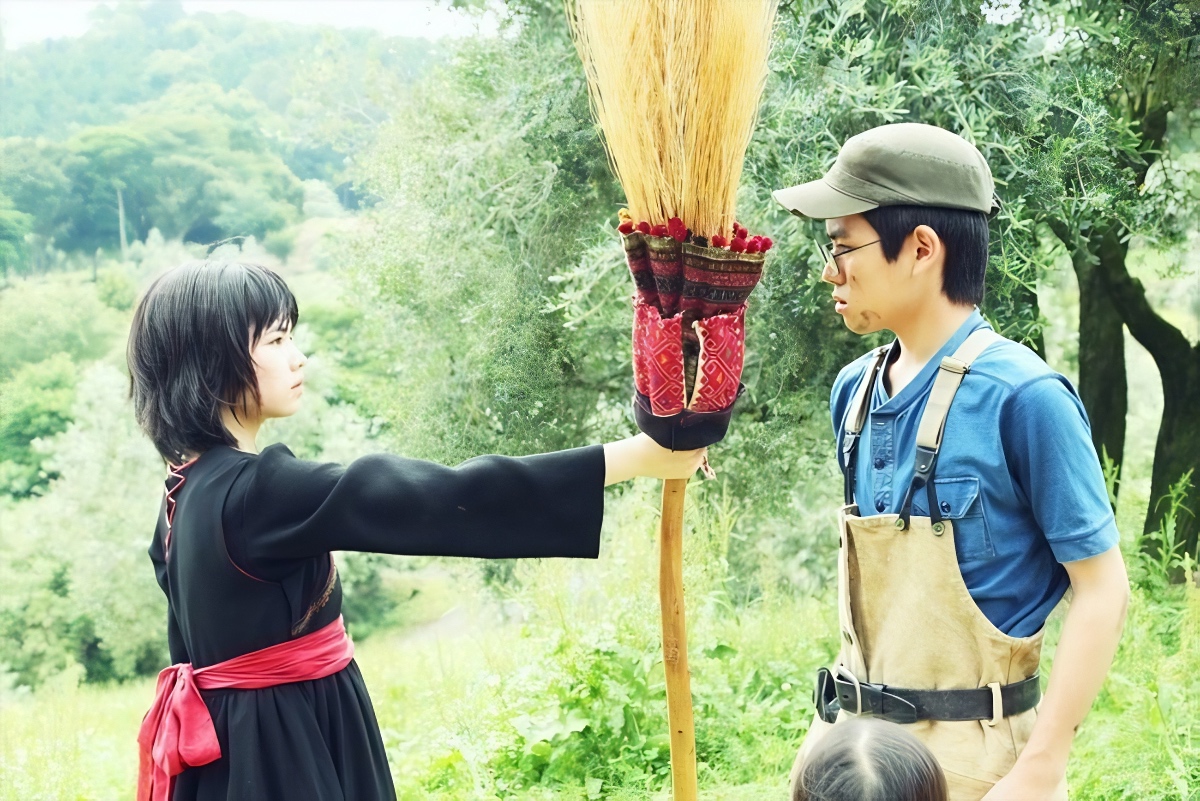
Jiji is also the strongest CGI in the film. Unfortunately, effects from the early 2000s plague the rest of the story.
Kiki spends a lot of time flying around on her broomstick, and these scenes look almost identical to the Quidditch matches from Harry Potter and the Sorcerer’s Stone (2001), which came out over a decade before Kiki’s Delivery Service. This is where the budget limitations show the most on screen because the costumes and production design are lovely.
There is also a story element where Kiki attempts to rescue a sick baby hippopotamus from the local zoo, and this animal is also CGI. It is hard not to wish that the effects were at the same level as Bong Joon-ho’s Okja, which was released just three years later. However, it is forgivable if you know Koshiba acted alongside what was likely a tennis ball or a stunt performer in a green suit.
Reception and Legacy
For all of the shortcomings, there is still a lot to love about Kiki’s Delivery Service, and it was a success at the Japanese box office.
The biggest crime against the film is that Miyazaki’s masterful anime already exists and casts such a stark shadow over this live-action fantasy.
Yet both stories allow this tale of a young witch leaving childhood behind and entering the next stage of her life to resonate with the viewer at home, who might struggle to recognize their place in the world.
About the Author
BJ COLANGELO is an entertainment journalist and film theorist working out of Los Angeles, California, by way of the Midwest.
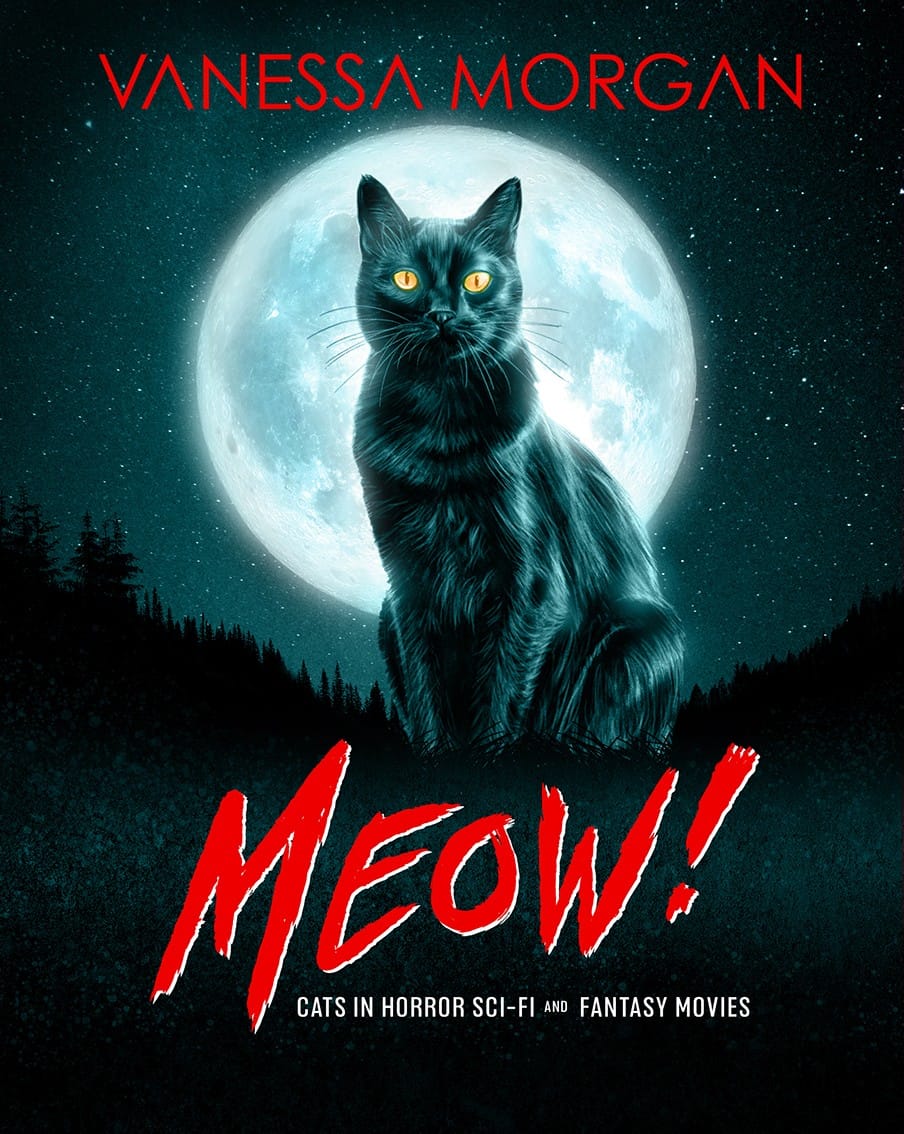
Her work has been featured in magazines like Fangoria, Birth. Movies. Death., HorrorHound, Creature Features, and Delirium, as well as the books When Animals Attack: The 70 Best Horror Movies with Killer Animals, Evil Seeds: The Ultimate Movie Guide to Villainous Children, Meow! Cats in Horror, Sci-Fi, and Fantasy Movies, Crazy Bitches, Hidden Horror: A Celebration of 101 Underrated and Overlooked Fright Flicks, and Haunted Reels.
Online, her work has appeared on Vulture, Playboy, Bloody Disgusting, Dread Central, Daily Dead, Bitch Flicks, Autostraddle, and Day of the Woman.
She is also the co-host of the popular coming-of-age film podcastThis Ends at Prom with her wife, Harmony, and The Wives Colangelo recently authored the book Sleepaway Camp with DieDieBooks.
You can find her on social media @bjcolangelo.
Also read BJ Colangelo’s movie review of That Darn Cat (1997) on The Cat Movie Archive.
BJ Colangelo’s writing about Kiki’s Delivery Service (2014) have also been published in the book Meow! Cats in Horror, Sci-Fi, and Fantasy Movies.



My older daughter has been a fan of Kiki for many years. I’ll ask her if she has seen the live-action.
Oooh, that’s cool! I’ll put it on my Christmas watch list.