Neko Râmen Taishô (2008): A Bizarre Japanese Comedy About a Cat Running a Ramen Restaurant
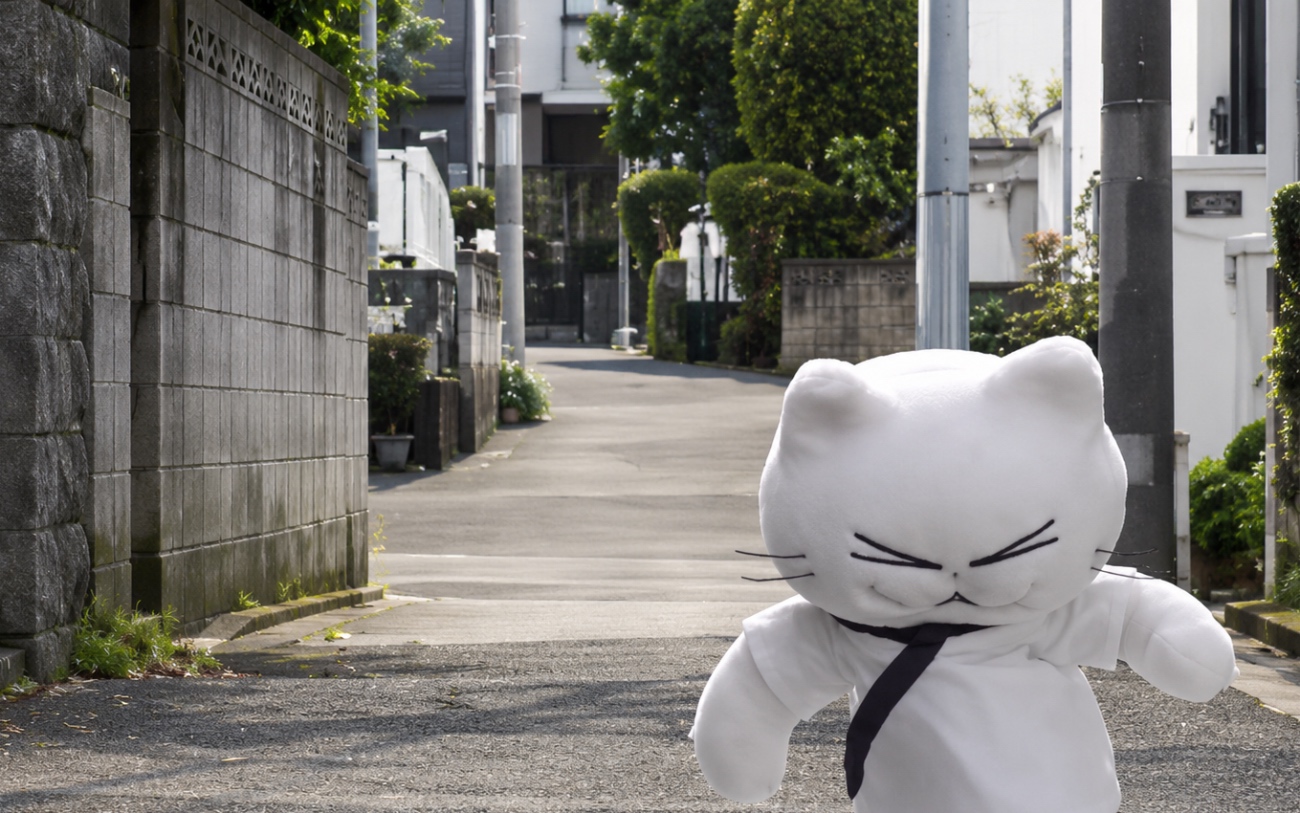
Neko Râmen Taishô (2008), also known in English as Pussy Soup, is a surreal live-action comedy about a grumpy, entrepreneurial cat who runs a ramen shop in Tokyo.
Neko Râmen Taishô
Director: Minoru Kawasaki
Country: Japan
Directed by Minoru Kawasaki, the filmmaker known for gleefully oddball cult cinema such as Calamari Wrestler (2004), Chat Noir’s Revenge (2018), and Monster SeaFood Wars (2020), this adaptation of a gag manga turns a single absurd joke into a feature-length film that is both ridiculous and heartfelt.
If you’ve ever wondered whether a plush cat could carry a movie, the answer is yes — and in ways you might not expect.
This review and deep dive explores the story, the original manga roots, its place in the larger Japanese cat-movie boom, and where you can watch it today.
What Is Neko Râmen Taishô About?
The movie follows William Thomas Jefferson III (voiced by Seizô Katô), a cat who keeps trying to work human jobs but fails at each one. He gets fired from a sushi restaurant because he cannot resist the smell of fresh shrimp. He tries working as a surgeon, but his patients panic and run away when they see a cat holding a scalpel. He later attempts to become a taxi driver, but he causes an accident after spotting a rat on the road.
Finding Purpose
After a string of failures, he sinks into depression and nearly gives up. Then an older ramen chef (Toshio Kurosawa) invites him to eat at his restaurant. That moment shifts something in him, and a year later, he opens his own ramen shop in Tokyo, and he becomes known as Taishō, meaning “boss” in Japanese.
His shop quickly becomes popular with teenage girls who stop by to take selfies with the cat behind the counter. TV crews also show up to film him.
The problem is that, despite his confidence as a “culinary artist,” his ramen ranks among the worst in Tokyo. He has just one loyal customer: Tanaka (pop singer Kazuki Kato), who likes the shop precisely because no one else ever comes in.
Father vs. Son
When his abusive father (Tôru Furuya) sees that his son has opened a ramen shop, he decides to prove to everyone that Taishō is worthless. He studies top ramen chefs and opens his own shop, aiming to outdo his son with better food and a flashier style.

Like his son, he’s a cat, but fans see him as far more charismatic. One admirer even says, “This one is much cooler. He’s a performer.” He dresses and behaves like Elvis, tosses ingredients through the air as if he’s Tom Cruise in Cocktail (1988), and cooks with loud music, flashing lights, and full showmanship.
The media quickly picks up on the rivalry. Soon, they stage a live showdown between father and son, turning it into a judged contest to decide who makes the best ramen in Tokyo.
A Story About Creative Insecurity
Under its unusual mix of real actors and plush hand-puppets, the film is about creative insecurity and finding your own identity. Taishō’s father wants his son to become a copy of himself and constantly criticizes him for not being good enough. At first, Taishō behaves like his father expects him to and acts like a failure. When he imitates his father’s over-the-top cooking style, he finds no success either.
Things change only when he starts making ramen he truly believes in. That’s when he finally gains confidence, finds his own path, and even surpasses his father. He stops sabotaging himself and starts growing.
Even with its absurd style, the film never turns Taishō into a joke. It treats him as real, with human emotions like loneliness and self-doubt. Being visibly different only makes those feelings stronger. In the end, it becomes a very strange but also sincere story about pride, dignity, and the need to be taken seriously in a world that laughs at you.
The Original Manga: From 4-Panel Gag to Cult Phenomenon
Before it became a live-action film, Neko Râmen Taishô was a yonkoma (four-panel) manga series by Kenji Sonishi.
Serialized in the early 2000s, the manga leaned heavily into quick-fire absurdist humor. The central joke was consistent: a cat trying to operate a ramen shop as though nothing about this situation was strange. The humor came from deadpan delivery, escalating misunderstandings, and Taishō’s explosive temper when customers doubted his professionalism.
Unlike many animal-centric manga, this wasn’t just about cuteness. It was about small business survival and ego.

The manga built a steady following, and its popularity eventually led to a Japanese TV anime adaptation. Only after that came this live-action film, which featured well-known Japanese performers in key roles.
Tanaka, Taishō’s biggest fan, and Mariko, his love interest, are played by pop singers Kazuki Kato and Nao Nagasawa. Toshio Kurosawa, known for films like Lady Snowblood (1973) and Evil of Dracula (1974), takes on the role of Taishō’s mentor. In the film, Taishō also crosses paths with real-life blog cats Karin and Kurin, as well as with Tama, a cat famous for serving as a train station manager in Wakayama.
Despite the manga’s cult following and the well-known stars attached to the film, Neko Râmen Taishô never broke into the mainstream, likely because its tone and concept were too odd, even by Japanese standards. Still, it developed a loyal cult following, especially among fans of unusual Japanese cinema.
Japanese Cat Movies: A Growing Cultural Niche
Neko Râmen Taishô didn’t emerge in a vacuum, though. Japan has long had a fascination with cats, but the 2000s and 2010s saw a noticeable surge in cat-centric manga and films, some of the most famous being:
- The Cat Returns aka Neko no ongaeshi (2002)
- Rent-a-Cat aka Rentaneko (2012)
- Samurai Cat aka Neko zamurai (2014)
- The Travelling Cat Chronicles aka Tabineko ripôto (2018)
- The Island of Cats aka Neko to jiichan (2019)
Neko Râmen Taishô is different from these films, though, because it doesn’t treat the cat as a magical sidekick or faithful companion. He’s the protagonist; he has a business license; and he has a temper.
As streaming platforms have globalized access to niche Japanese cinema, interest in quirky animal-led stories like these has expanded. That puts Neko Râmen Taishô in a sweet spot for rediscovery.
Where to Watch Neko Râmen Taishô
Neko Râmen Taishô is currently unavailable on DVD, Blu-Ray, or 4K outside of Japan, nor is it on any of the major streaming platforms. However, it is possible to watch the film on DailyMotion (Japanese with English sub-titles), preferably with a bowl of steaming ramen nearby.
About the Author
Vanessa Morgan is the editor of When Animals Attack: The 70 Best Horror Movies with Killer Animals, Strange Blood: 71 Essays on Offbeat and Underrated Vampires Movies, Evil Seeds: The Ultimate Movie Guide to Villainous Children, and Meow! Cats in Horror, Sci-Fi, and Fantasy Movies. She also published one cat book (Avalon) and four supernatural thrillers (Drowned Sorrow, The Strangers Outside, A Good Man, and Clowders). Three of her stories became movies. She introduces movie screenings at several European cinemas and film festivals and is also a programmer for the Offscreen Film Festival in Brussels. When she is not writing, you will probably find her eating out or taking photos of felines for her website, Traveling Cats.