Seven Deaths in the Cat’s Eye (1973): Antonio Margheriti’s Oddball Giallo of Family Secrets and a Vampire Curse
In Seven Deaths in the Cat’s Eye (1973), a young woman arrives at a gloomy Scottish castle only to find herself surrounded by murder, family secrets, and a mysterious cat that always seems to be nearby when someone dies.
Seven Deaths in the Cat’s Eye
Original title: La morte negli occhi del gatto
Director: Antonio Margheriti
Country: Italy
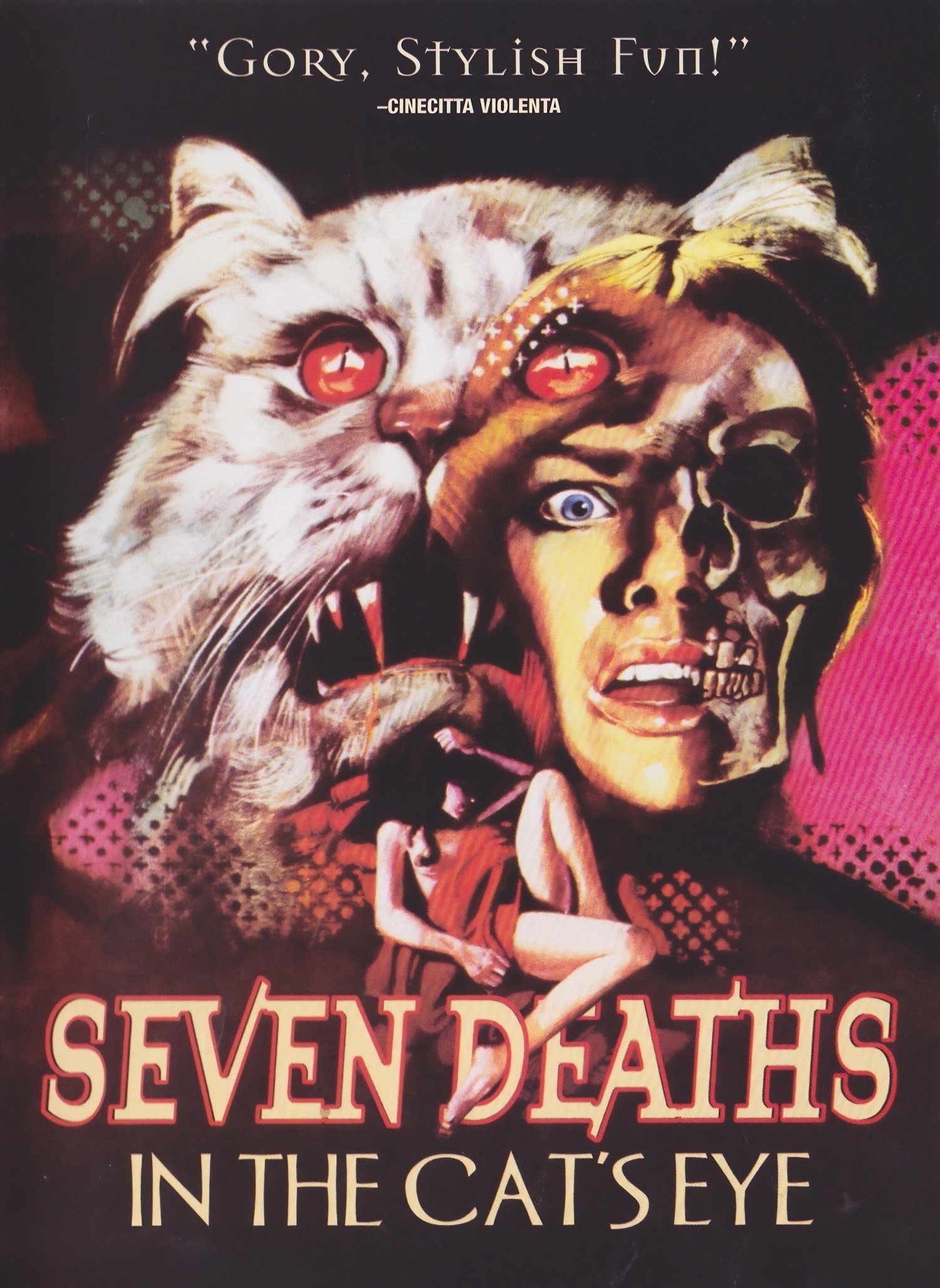
Seven Deaths in the Cat’s Eye (original title: La Morte Negli Occhi del Gatto) is a 1973 Italian Gothic giallo film directed by maverick gun-for-hire filmmaker Antonio Margheriti (The Long Hair of Death, Cannibal Apocalypse), under the pseudonym Anthony M. Dawson to target the English-speaking market.
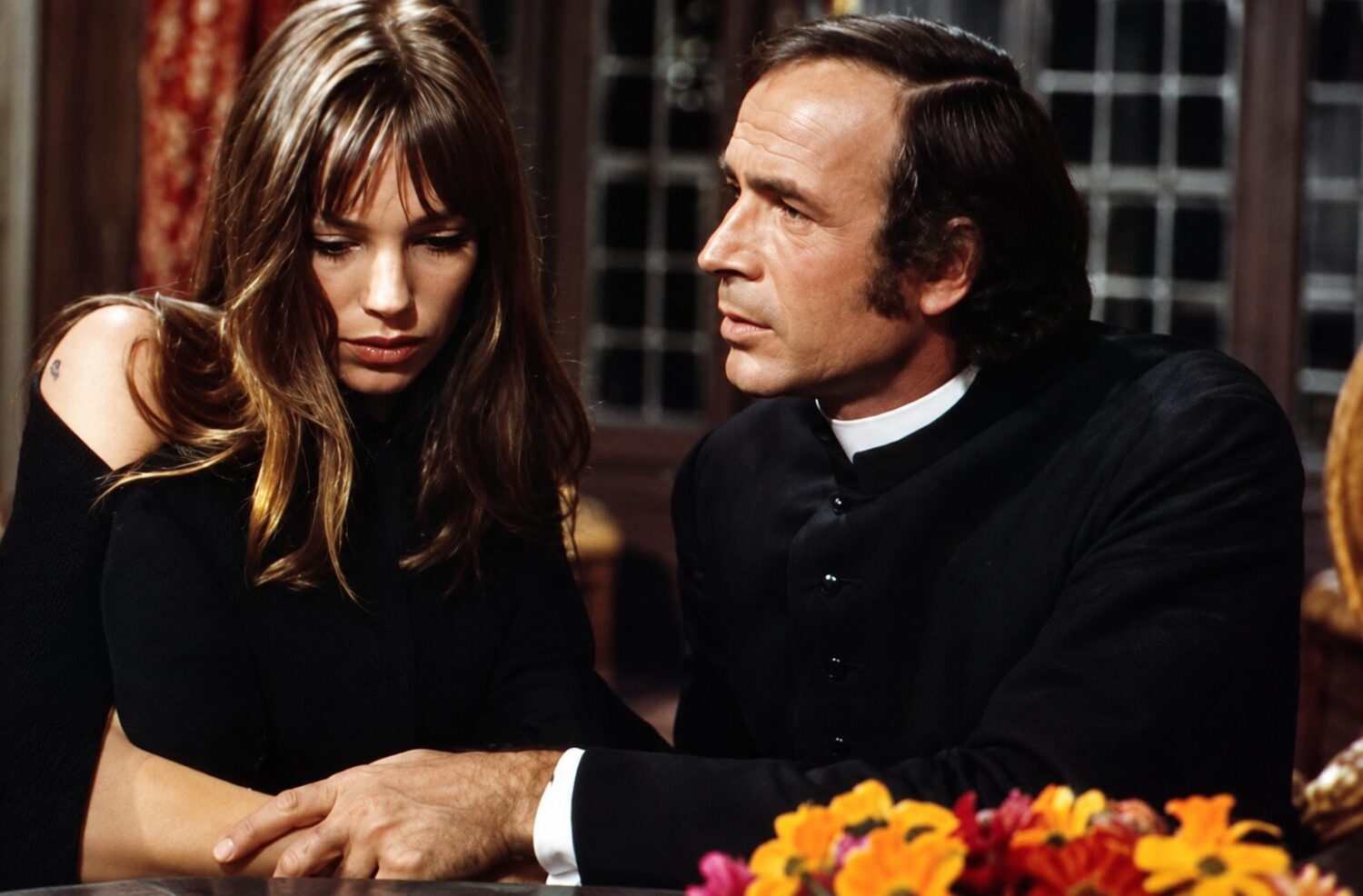
The film features a cast of prolific European actors, including the charismatic actress/singer Jane Birkin, known for her controversial scenes in Michelangelo Antonioni’s mystery-thriller Blow-up (1966) and her relationship with French singer/actor Serge Gainsbourg (“Je t’aime… moi non plus”).
When visiting Birkin on set, Gainsbourg reportedly asked Margheriti for a cameo in Seven Deaths in the Cat’s Eye and got his wish. He appears a few times as a strange police inspector investigating the murders. The choice to dub Gainsbourg’s character with a Scottish accent adds a quirky, memorable touch to his performance.
The Plot: a Gorilla, a Vampire Curse, and Other Strange Surprises
Seven Deaths in the Cat’s Eye is written by Margheriti and Giovanni Simonelli. Although the film’s English opening and closing credits mention it is based on a novel by Peter Bryan, some online sources claim this to be false since there appears to be no evidence of the book’s existence.
The story revolves around a series of gruesome murders in a small Scottish village near Dragonstone Castle, owned by Lady Mary MacGrieff (Françoise Christophe) and her aristocratic family. (You might find the interiors familiar, as they are the same ones used in Mario Bava’s Black Sunday.) Many wacky characters live here, including a priest, Father Robertson (played by the classically trained Italian character actor Venantino Venantini), the working staff, and the eccentric son and heir of Lady Mary, Lord James MacGrieff (Hiram Keller). A ginger cat is also always around, especially near the victims.
Despite the ongoing murders, the protagonist, Corringa (Birkin), insists on spending her summer at Dragonstone Castle with her mother, Lady Alicia (Dana Ghia), which she does almost every year. When Lady Alicia is murdered in her sleep with a pillow (while the creepy ginger cat is watching), Corringa freaks out when she discovers the weird Lord James lurking outside her window.
Later, the ginger cat leads Corringa through a secret door and to the family dungeon, where she discovers the dead body of one of the earlier victims. During the funeral, the feline jumps on the casket. Not the biggest red flag, you would think, but in this crazy Scottish family, it is a clear sign that the deceased is nothing other than a vampire. Corringa and James go on a dangerous quest to uncover the truth about the killings and the legend of the castle. But can she trust the peculiar Lord James?
Revealing more about the convoluted but otherwise interestingly bizarre plot of Seven Deaths in the Cat’s Eye would be a massive disservice if you have never seen this Gothic slasher. It has a ginger cat, a killer in a ridiculous gorilla suit, a clunky vampire mystery plot, and many supernatural set-ups, and it turns everything you think will happen on its head in the very end.
From Box-Office Failure to Cult Giallo
Unfortunately, Seven Deaths in the Cat’s Eye was not a major financial success, grossing only around 113.000 euros during its theatrical release in its home country. However, over the years, it has cultivated a dedicated following among horror enthusiasts, particularly following special edition releases on various physical media by high-end niche labels such as Blue Underground in the USA and 88 Films in the UK.
While this 1973 giallo may not rival the more renowned works of directors like Dario Argento or Mario Bava, particularly regarding the quality of the kills, it remains visually stunning and well worth watching. For director Margheriti, the film represents a significant improvement over his previous projects, which often utilized faster and cheaper three-camera setups similar to those used in television.
Cinematographer Carlo Carlini (Black Emanuelle, Street Law) is an artist in his own right, painting a beautifully lurid picture that captures the atmospheric essence of various “Scottish” locations shot in Rome, Italy. These settings include a foggy cemetery, long and desolate castle hallways, and a creepy dungeon—all of which were previously featured in both Bava’s The Whip and the Body (1963) and Margheriti’s The Virgin of Nuremberg (1963). Carlini also skillfully frames the gorgeous classic divas, such as Birkin, who populate this Italian horror film.
The Film’s Iconic Feline
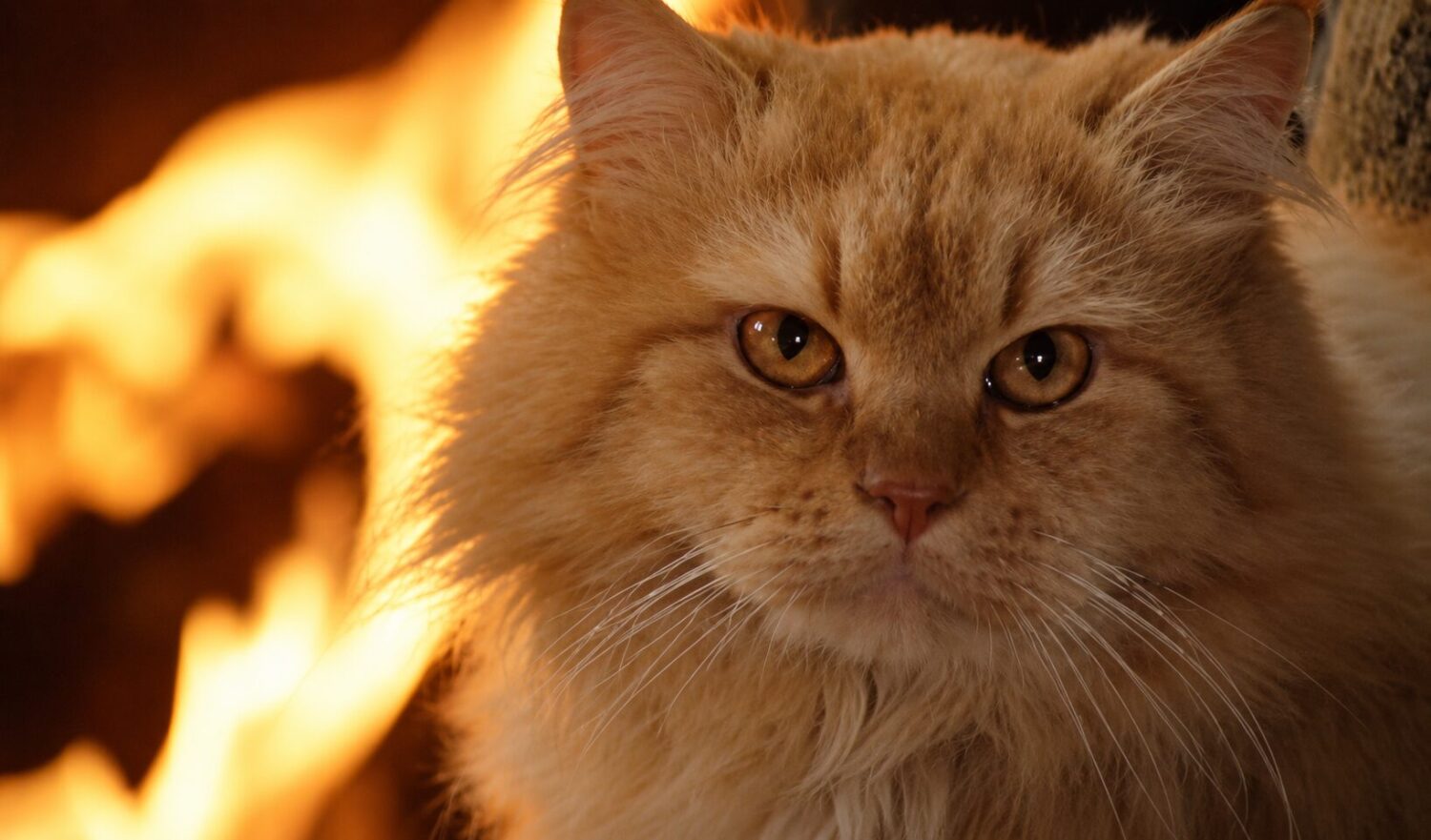
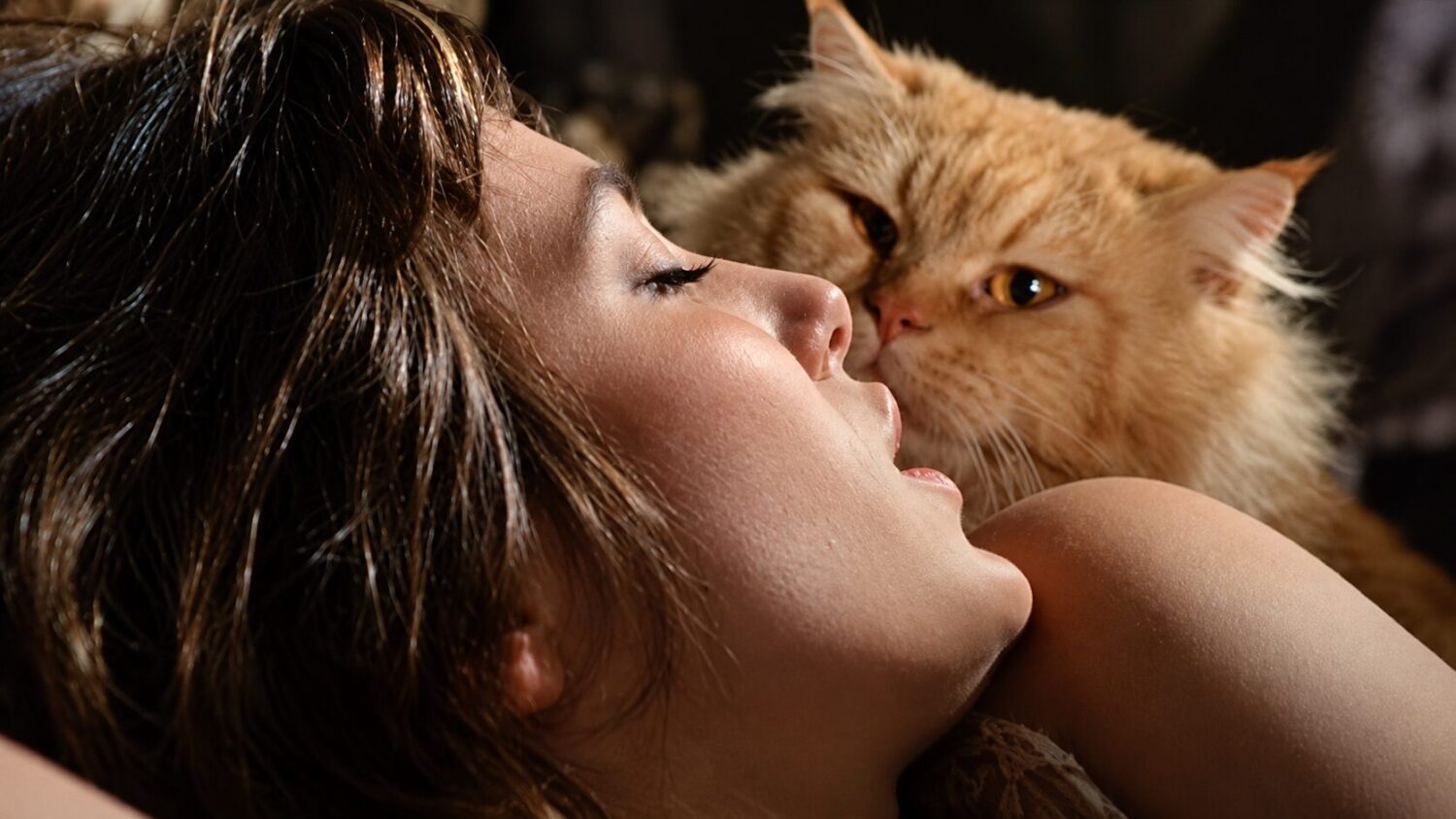
However, the beautiful, fluffy ginger cat that creeps around the castle is the high point in Seven Deaths in the Cat’s Eye. While it was common to use numbers, colors, or animals in giallo titles, the feline plays a crucial role in Margheriti’s film and drives the plot forward. The original tagline even reads: “Death means NOTHING to a beast with nine lives!”
This cat is like an angel of death, or even the Grim Reaper itself; it is always present when new bodies hit the ground.
The extreme close-up zooms on the cat’s stunning eyes, a typical Italian technique at the time, are the cherry on top.
Riz Ortolani’s Gothic Score
Seven Deaths in the Cat’s Eye, like many gialli from the 1960s and 1970s, features a memorable score by Riz Ortolani, a two-time Oscar nominee known for his work on the controversial shockumentary Mondo Cane (1962) by Paolo Cavara, Gualtiero Jacopetti, and Franco Prosperi (from which the song “More” was nominated for an Oscar and also won the Grammy), Lucio Fulci‘s Don’t Torture a Duckling (1972), and Ruggero Deodato’s Cannibal Holocaust (1980).
Ortolani’s music in Seven Deaths in the Cat’s Eye recycles cues and tunes from his earlier works, such as The Virgin of Nuremberg (1963) and Castle of Blood (1964), both directed by Margheriti. It helped create a Gothic atmosphere despite budget constraints.
The film’s limited finances also affected Marisa Tilly’s special makeup effects, resulting in offscreen kills and generic throat slashings. As a result, gore hounds need to seek their bloody thrills elsewhere.
Is Seven Death in the Cat’s Eye Worth Watching?
Seven Death in the Cat’s Eye is an average giallo film, but it does a good job of keeping you guessing throughout its 95-minute runtime about who the killer is. Additionally, Carlini’s beautiful cinematography, the Gothic atmosphere reminiscent of a Hammer production, the attractive protagonist, a touch of black comedy, and a few kills all add to the film’s appeal. However, it is no surprise that the beautiful, long-haired feline Kitty steals the show.
🐱 Ready for more feline frights? Browse our selection of more cats in horror movies.
Movie Trailer
About the Author
STEVE DE ROOVER has been a movie critic for such print and online publications as DVD Info, Moviegids, Moviepulp, Friday The 13th Films, Publicity Magazine, Hidden Horror: A Celebration of 101 Underrated and Overlooked Fright Flicks, When Animals Attack: The 70 Best Horror Movies with Killer Animals, Strange Blood: 71 Essays on Offbeat and Underrated Vampire Movies, Evil Seeds: The Ultimate Movie Guide to Villainous Children, and Schokkend Nieuws.
In 2013, he produced and directed the short vampire film Un Homme Bien, based on a screenplay by Vanessa Morgan. The film attracted attention on the international film festival circuit, which led to co-founding Skladanowsky. Via this edgy production company, Steve has produced Has#tag, the Silver Méliès-winning Muil, Détours, and Old Birdie, among other titles.
His feature horror documentary Forgotten Scares: An In-depth Look at Flemish Horror Cinema was picked up by Telenet, among other outlets, and is available on DVD and Blu-ray through Zeno Pictures.
For the international horror anthology feature Deathcember (featuring the works of participants such as Ruggero Deodato, Lucky McKee, and Trent Haaga), he co-wrote and directed the body-horror segment “Family Matters.”