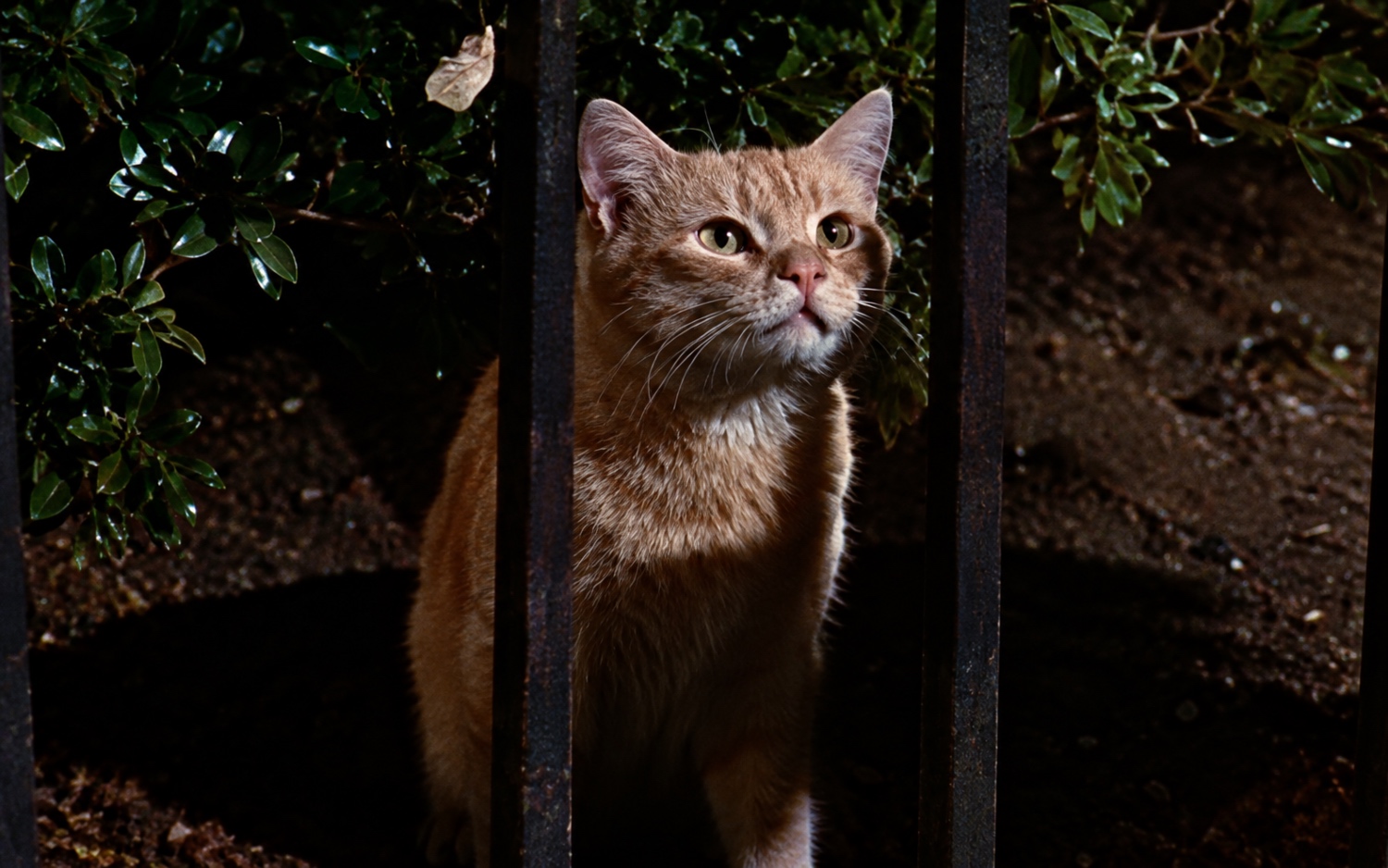
The Comedy of Terrors (1963): Vincent Price, Peter Lorre, and a Cat That Keeps Waking the Dead
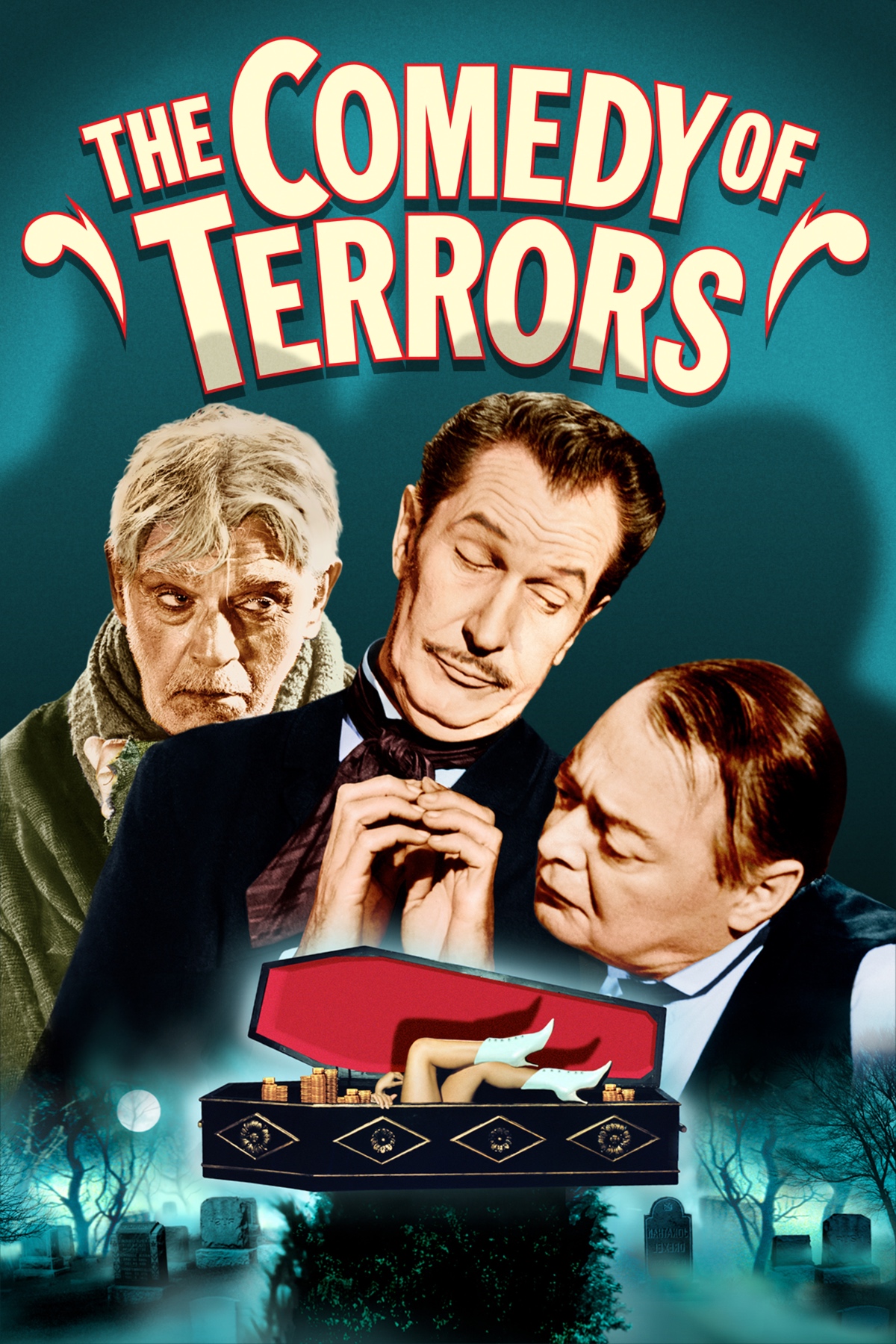
In The Comedy of Terrors (1963), a crooked undertaker resorts to murder to drum up business—only to meet his match in a customer who refuses to stay dead.
The Comedy of Terrors
Director: Jacques Tourneur
Country: US
The Funeral Business in Need of Customers
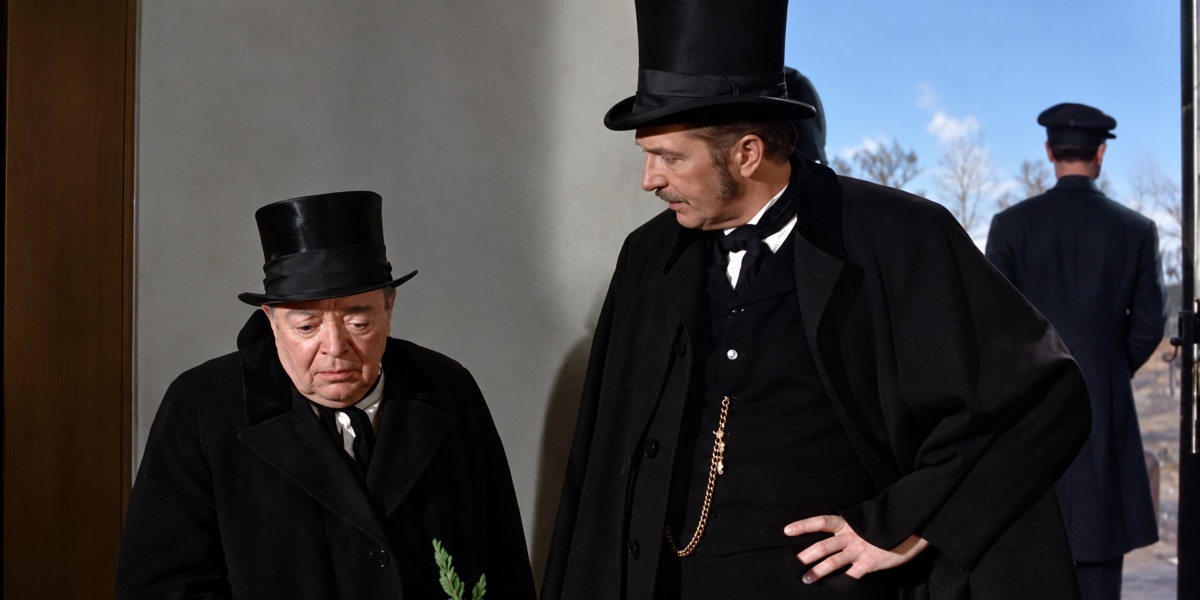
It is the late 19th century, and undertaker Waldo Trumbull (Vincent Price) is in dire financial straits. In the town of New Gilead, not enough people are dying. Trumbull’s funeral parlor, which he took over from his former business partner, Amos Hinchley (Boris Karloff), has no clients. To save money, Trumbull reuses the same coffin he has had for 13 years, secretly removing bodies from it after the funeral and returning the coffin to the parlor. To boost business, Trumbull and his assistant, fugitive picklock Felix Gillie (Peter Lorre), sneak into wealthy locals’ homes at night to murder them, ensuring future funeral arrangements. He is also abusive to his wife, Amaryllis (Joyce Jameson), Hinchley’s daughter, and he unsuccessfully tries to hasten her senile father’s death by attempting to poison him under the guise of administering medicine, hoping to speed up an inheritance.
Cleopatra, the Cat That Sees Everything
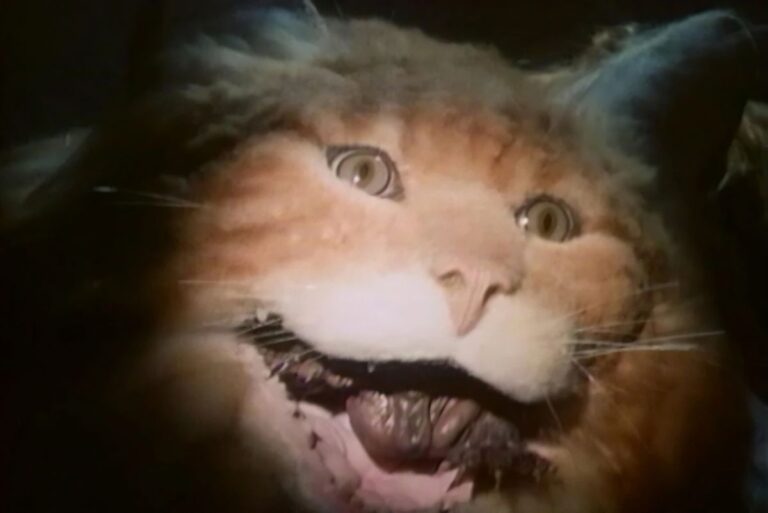
Trumbull and Gillie are often joined on their murderous outings by Cleopatra, their orange tabby cat, who lives with them, Amaryllis, and Hinchley in the apartment above the funeral parlor. As a resident of the funeral home and a witness to their nighttime crimes, Cleopatra is the only one who knows what is happening behind the scenes. Throughout the story, the cat also provides perfect comic relief. For example, Cleopatra looks surprised when Gillie falls off the roof, covers its ears with its paws when Amaryllis sings, or runs away in horror whenever she hits high notes.
The most Uncooperative Customer
The real fun begins when Trumbull sends Gillie to murder their landlord, John F. Black (Basil Rathbone, known for his role in 1941’s The Black Cat), who has been demanding overdue rent and is now threatening with eviction. Gillie invades Mr. Black’s home, only to find him awake, wildly swinging a sword while reciting Shakespeare. Frightened, Gillie flees, but the shock causes Black to suffer a heart attack. Despite a servant’s warning that Mr. Black has experienced death-like sleep episodes before, a physician declares him deceased.
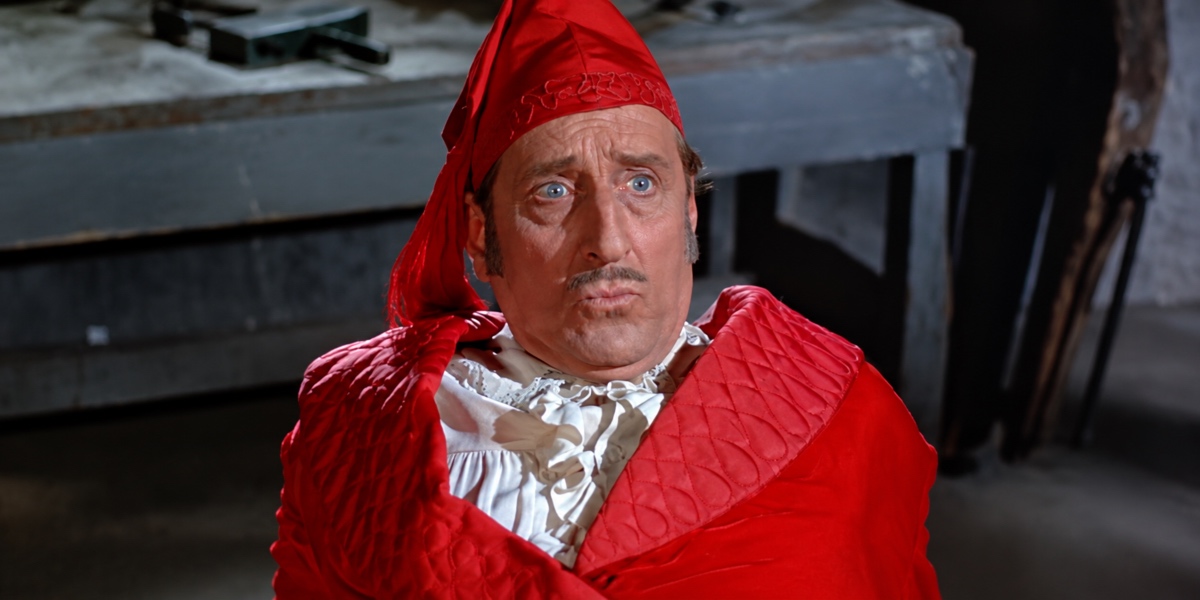
Trumbull and his assistant bring Mr. Black to the mortuary to prepare him for burial. However, Mr. Black, who has a severe cat allergy, begins to stir when Cleopatra is nearby, wiggling his nose and waking up. Trumbull says they do not have a choice but to bury him since everyone believes he is dead. When Mr. Black tries to escape, Trumbull attempts to strike him with a hammer, causing Black to suffer another heart attack. As they return him to the coffin, Black revives again, and Trumbull knocks him unconscious. The funeral proceeds with no one else aware that Black is still alive. Trumbull remarks, “I’ve never had such an uncooperative customer in my whole life.”
That night, after Trumbull is cruel to his wife, Gillie pleads with Amaryllis to run away with him and become his wife. Worn down by Trumbull’s mistreatment, she agrees.
A Comedy of Errors—and Revenge
Meanwhile, at the cemetery, the caretaker (Joe E. Brown, in his final film appearance) hears a voice from the crypt and frees Mr. Black from his coffin. Now determined to seek vengeance, Mr. Black grabs an axe and heads to the funeral parlor.
What follows is a true “comedy of errors.” Amaryllis faints. Black chases Trumbull and Gillie around the house. Gillie tumbles down a flight of stairs and is knocked unconscious. Trumbull shoots Mr. Black. Amaryllis awakens and mistakenly believes that Trumbull has killed Gillie. Trumbull strangles Amaryllis when she threatens to call the police. Gillie regains consciousness and attacks Trumbull with a sword. Trumbull strikes Gillie down with a poker. And Mr. Black’s servant arrives and informs the police.
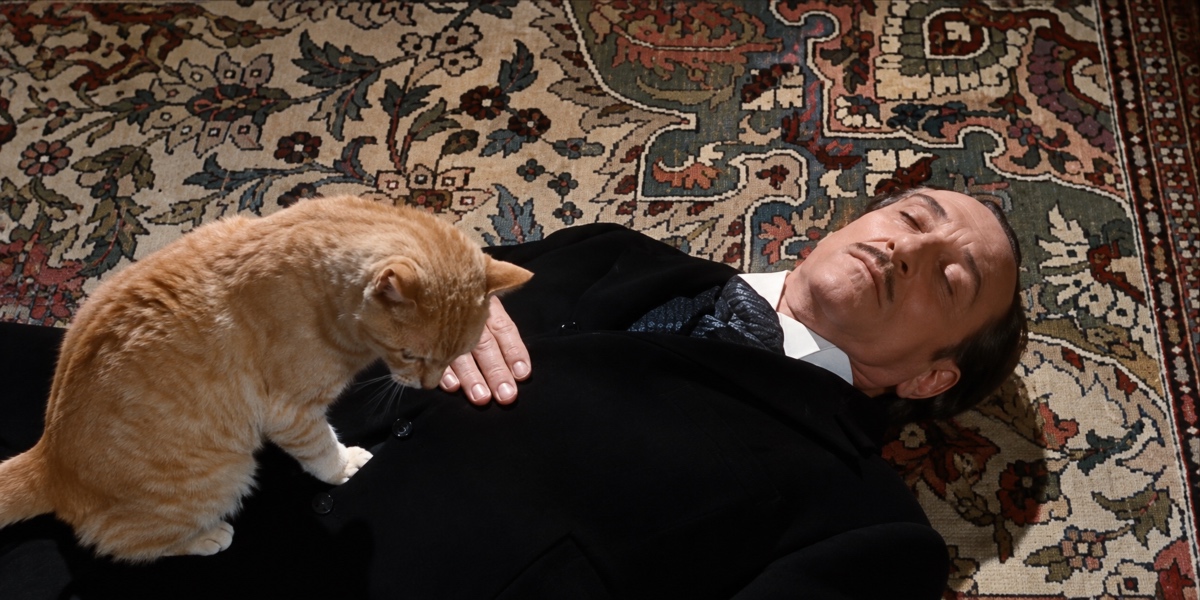
Exhausted from the chaos, Trumbull collapses on the floor. Meanwhile, Gillie and Amaryllis revive and escape together. Hinchley, who slept through all the commotion, discovers Trumbull unconscious and decides to give him a dose of his own “medicine”—the poison Trumbull had repeatedly tried to slip into his milk. Unaware of the danger, Hinchley also drinks some of the poison.
Everyone is either dead or gone, and Cleopatra is left alone in the house. Seeking comfort, she curls up on Mr. Black’s chest. As expected, his cat allergy kicks in—he sneezes and returns to life.
Behind The Comedy of Terrors
The Comedy of Terrors was directed by Jacques Tourneur (1904-1977), a French-American filmmaker best known for his collaborations with producer Val Lewton on atmospheric horror classics like Cat People (1942) and I Walked with a Zombie (1943).
Produced by American International Pictures (AIP), the film was a follow-up to Roger Corman’s The Raven (1963). Richard Matheson wrote both films, and the same sets and resources were used to keep production costs low, a common practice for AIP since it helped to create a consistent atmosphere between films and allowed for a quicker production turnaround.
The film also reunited the main stars of The Raven—Vincent Price, Peter Lorre, and Boris Karloff—who frequently appeared together due to their marketability and iconic status in the horror genre. Their distinct acting styles—Karloff’s imposing, almost tragic presence; Price’s theatrical and often campy villains; and Lorre’s nervous, comedic characters—complemented each other perfectly, resulting in memorable on-screen chemistry.
Orangey, the Feline Star of the Film
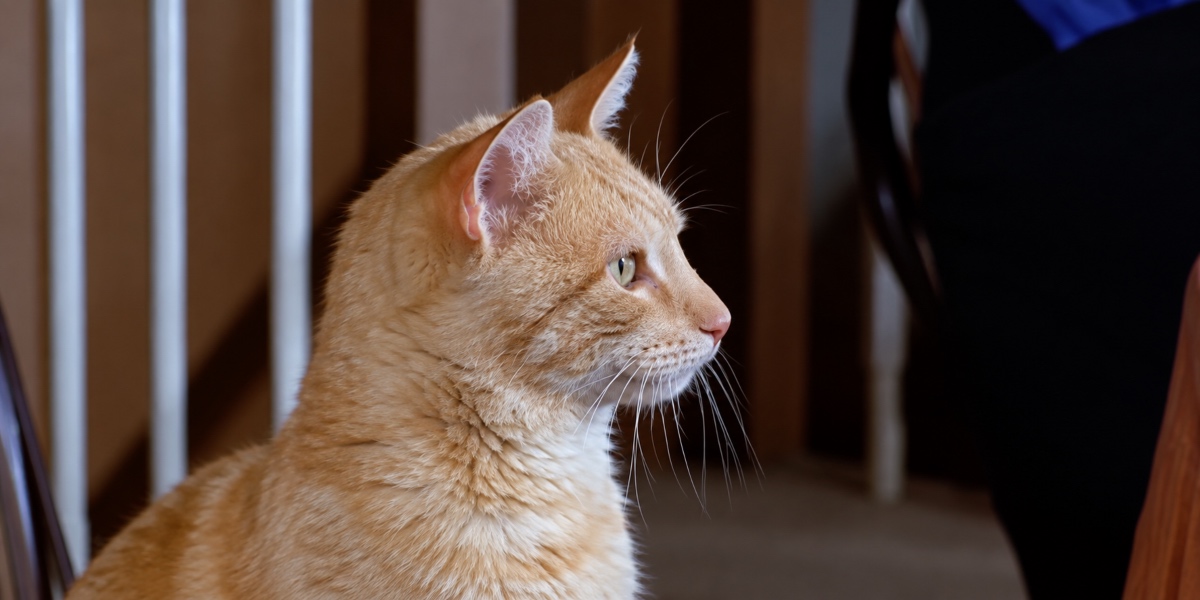
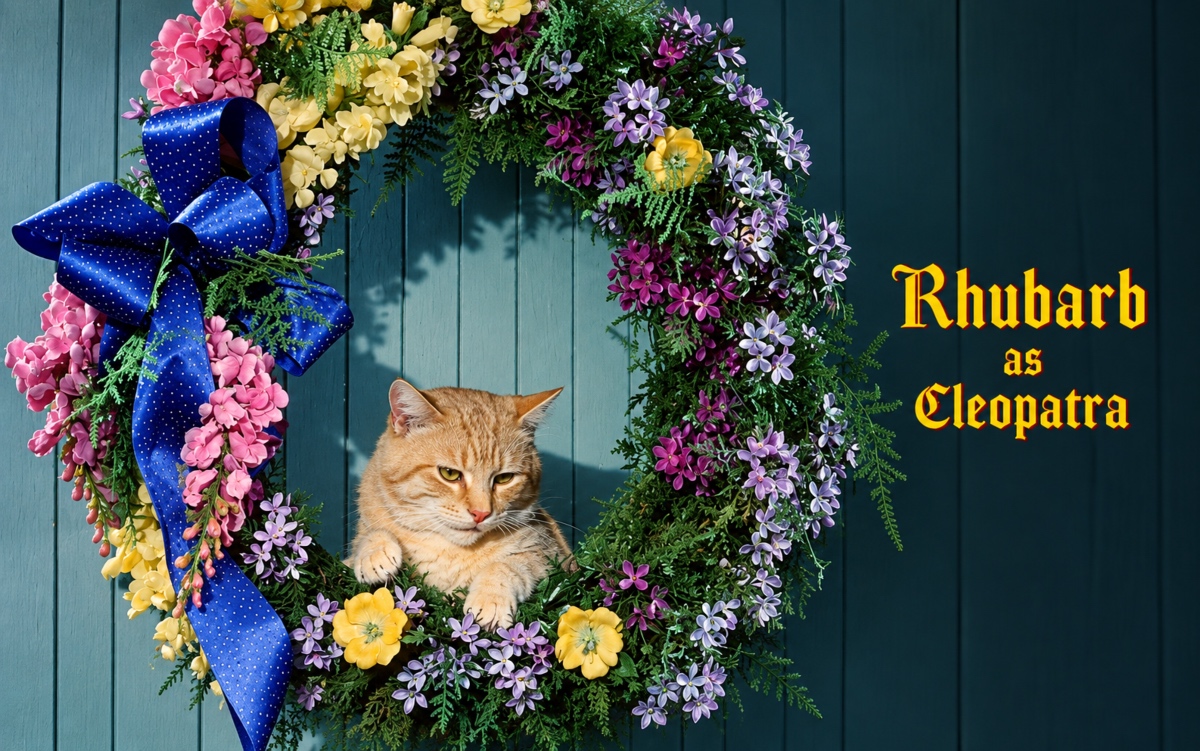
However, the cat steals the show from these celebrated actors. It is not just any cat either—it is one of the most famous felines in film history. Credited as Rhubarb, its real name is Orangey. It first gained fame for its role as Rhubarb in the 1951 comedy of the same name, where it became the sole heir to a wealthy man’s fortune and professional baseball team. This performance earned Orangey the prestigious PATSY Award, the feline equivalent of the Oscars. Our furry star went on to appear in numerous films and TV shows, including The Incredible Shrinking Man (1957) and the Alfred Hitchcock Presents episode “Miss Paisley’s Cat.”
While not the main focus of The Comedy of Terrors, Orangey is omnipresent in the film. It plays a crucial comedic role by repeatedly reviving the seemingly indestructible Mr. Black due to his cat allergy. Despite the presence of many legendary actors, Orangey is undeniably the film’s main draw, and it is no surprise that it is the first character we see after the opening credits and the last before the movie ends.
The Sequel That Never Happened
Matheson had planned to write a sequel for AIP, Sweethearts and Horrors, featuring the same four stars from The Comedy of Terrors in new roles: Price as a ventriloquist, Karloff as a children’s TV host, Rathbone as a musical comedy star, and Lorre as a magician. The film was also set to star Tallulah Bankhead. However, AIP abandoned this project after The Comedy of Terrors underperformed at the box office. As a result, The Comedy of Terrors became the last story Matheson completed for AIP, although he did write several unproduced scripts.
Trailer
Where to Watch The Comedy of Terrors
The Comedy of Terrors (1963) is currently available for streaming on Amazon Prime Video, Tubi, MGM+, Roku Premium Channel, fuboTV, and Philo.
There’s also a special edition Blu-ray from Kino Lorber that includes a commentary by film historian Tim Lucas.
More Classic Horror With a Feline Twist
Did The Comedy of Terrors leave you wanting more classic horror movies with cats? These films should be next on your watchlist:
About the author
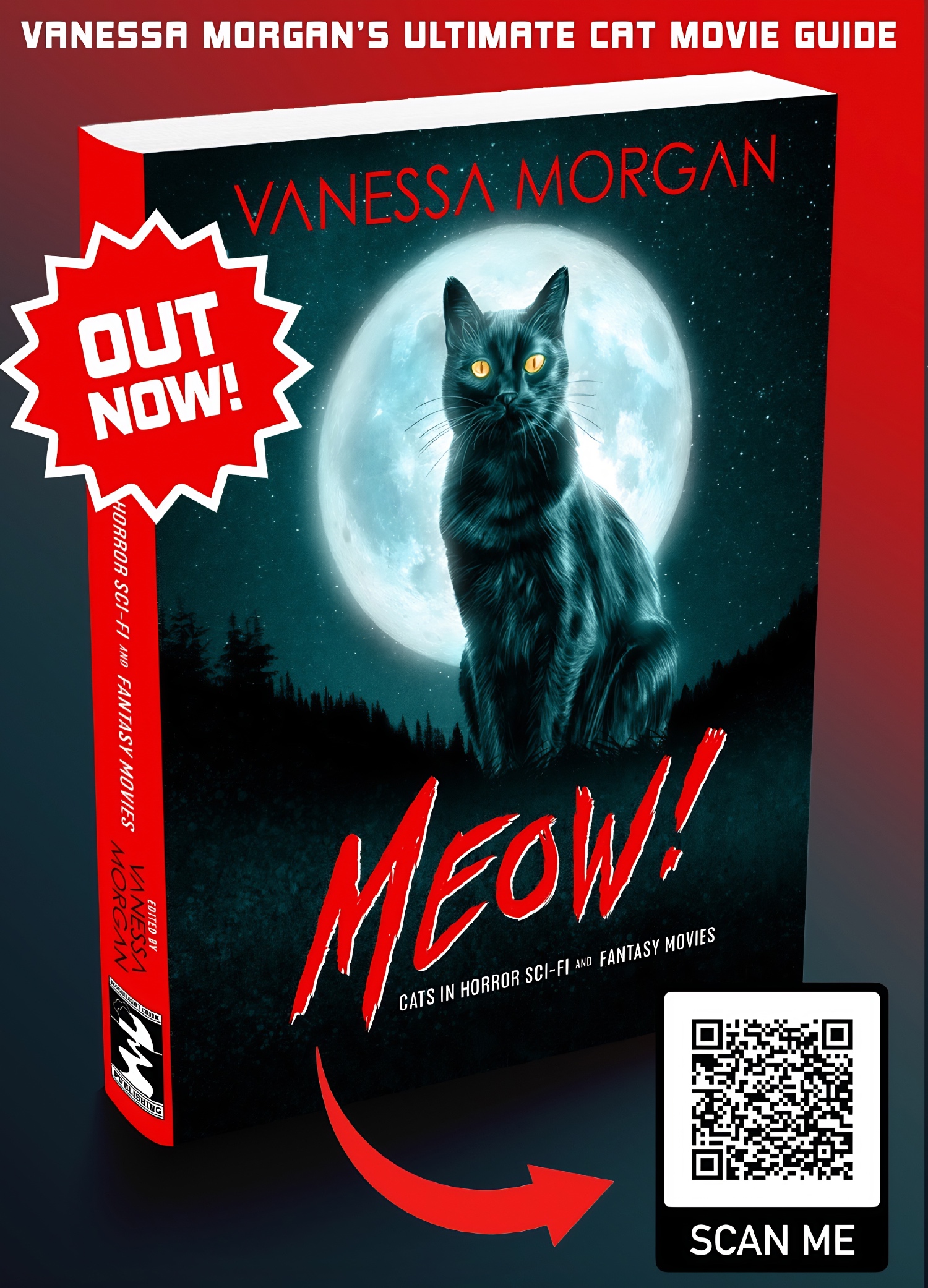
Vanessa Morgan is the editor of When Animals Attack: The 70 Best Horror Movies with Killer Animals, Strange Blood: 71 Essays on Offbeat and Underrated Vampires Movies, Evil Seeds: The Ultimate Movie Guide to Villainous Children, and Meow! Cats in Horror, Sci-Fi, and Fantasy Movies. She also published one cat book (Avalon) and four supernatural thrillers (Drowned Sorrow, The Strangers Outside, A Good Man, and Clowders). Three of her stories became movies. She introduces movie screenings at several European cinemas and film festivals and is also a programmer for the Offscreen Film Festival in Brussels. When she is not writing, you will probably find her eating out or taking photos of felines for her website, Traveling Cats.